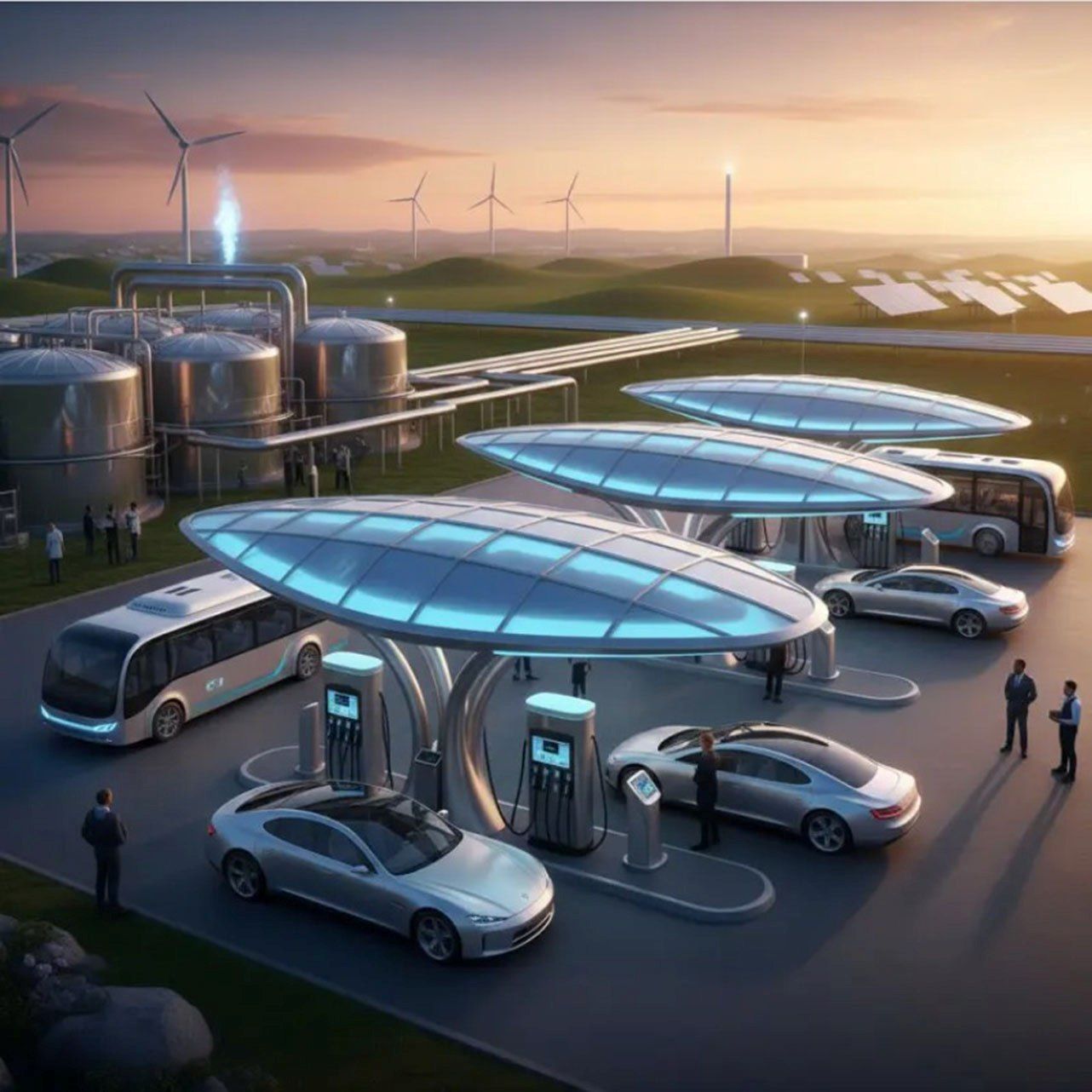
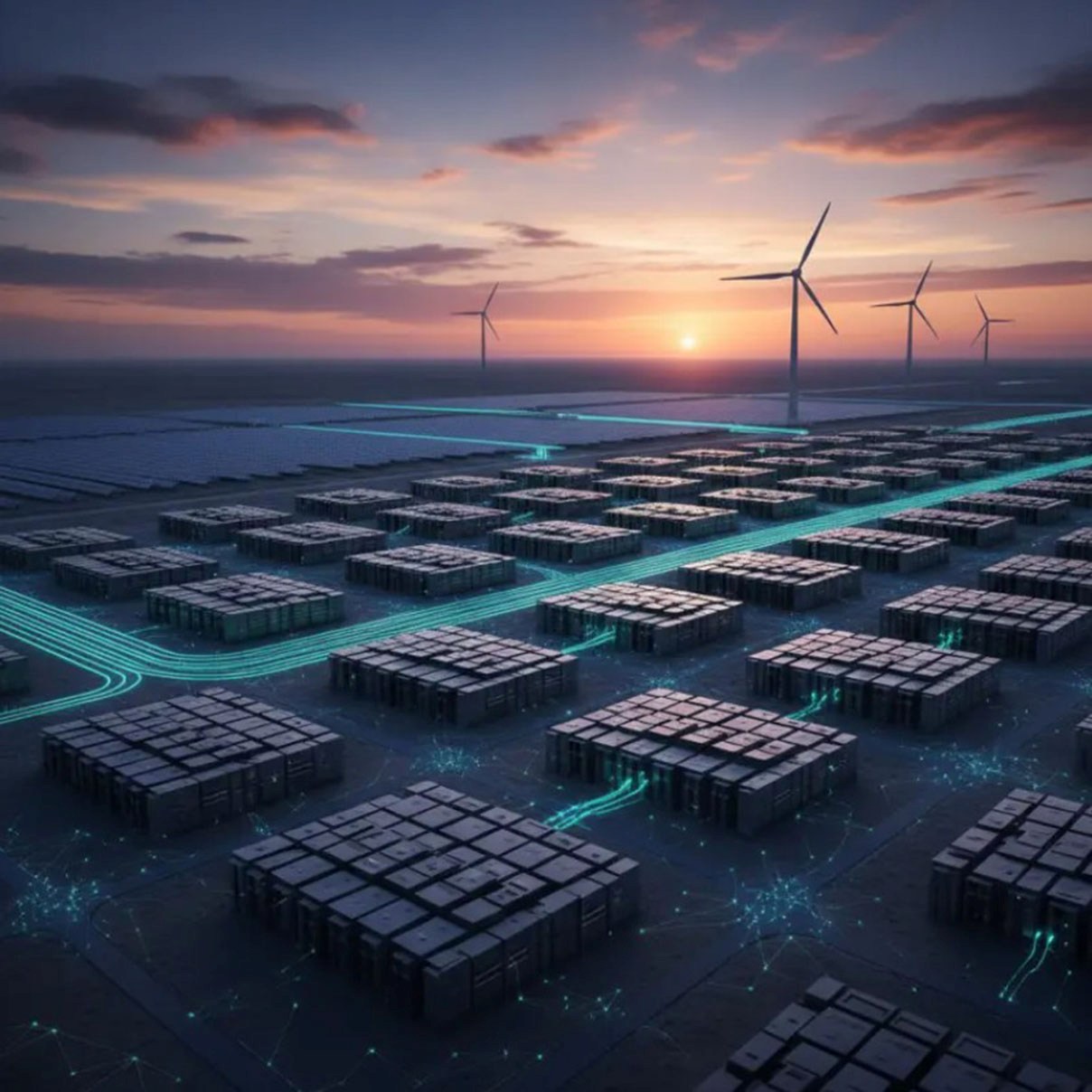
Hydrogen storage in industry is really opening up some exciting opportunities, especially with the whole hydrogen economy ramping up. The International Energy Agency (IEA) suggests that by 2030, worldwide demand for hydrogen could hit around 550 million tons — that's a huge number! Naturally,...
Electrodialysis technology has undergone decades of development, forming a technological family centered on conventional electrodialysis (ED), inverted electrode electrodialysis (EDR), and bipolar membrane electrodialysis (BPED). While all three share the physicochemical basis of selective ion migra...
1. Core Process Overview
The core of the electrolysis process (chlor-alkali) is an electrochemical reaction driven by direct current (DC) (an endothermic reaction). Its core raw material is an aqueous solution of sodium chloride (NaCl). Under the action of DC current, it produces three core p...
In an electrodialysis (ED) system, there is a core component known as the "heart"—the Membrane Stack. If the electrodes are the "power source" and the ion exchange membranes are the "separation units," then the membrane stack is the core working unit where all these components are organically...
Against the backdrop of global energy transition, hydrogen energy is experiencing unprecedented development opportunities. From policy to capital markets, "green hydrogen" has become a frequently used buzzword. In the hydrogen production technology race, besides the well-known alkaline water electro...
In alkaline hydrogen production electrolyzers, the membrane is the core component second only to the electrodes, serving two main functions: first, to strictly block hydrogen and oxygen gases, eliminating the risk of mixing and explosion; and second, to act as a hydroxyl ion conduction channel, ensu...
I. Overview of Alkaline Water Electrolysis for Hydrogen Production Systems
Alkaline water electrolysis (ALK) refers to the technology of producing hydrogen by electrolyzing water in an alkaline electrolyte environment. The electrolyte is typically a 30% (w/w) potassium hydroxide (KOH) solution. The...
In the fabrication of membrane electrode assemblies (MEAs) for hydrogen fuel cells, the quality of the catalyst slurry plays a decisive role in the MEA's performance . Many engineers have had the painful experience of having perfect material parameters on the formulation sheet, but the prepared slur...
The European Committee for Standardization (CEN) recently released a draft standard, FprEN 62282-3-400:2026, for stationary fuel cell power generation systems. This standard sets specifications for the entire lifecycle of small-scale stationary fuel cell power generation systems and will inject new...
Against the backdrop of accelerated global energy structure transformation, the costs of renewable energy sources such as photovoltaics and wind power continue to decline. As water electrolysis hydrogen production technology matures, the cost of green hydrogen is rapidly approaching that of traditio...
Hydrogen fuel cells, with their high efficiency and cleanliness, have garnered widespread attention in fields such as drones and commercial vehicles. Hydrogen energy education in vocational schools transcends disciplinary boundaries, requiring both theoretical integration and practical support. Ther...
In recent years, investment in the green methanol sector has continued to surge, with planned and under-construction projects reaching 51 million tons by the end of last year. However, amidst this boom, very few projects have actually been implemented and are operating smoothly . Due to multiple fac...