English
 français
 Deutsch
 italiano
 русский
 español
 português
 العربية
 Nederlands
 한국의
한국의 Romania
 Bulgaria
 Melayu
What Are You Looking For?

Hey, have you noticed how quickly the Hydrogen Industrial Solutions scene is changing? According to a report by MarketsandMarkets, the global hydrogen market is expected to hit around $183 billion by 2026—that's pretty huge! Industry folks keep stressing how urgently we need innovative solutions to keep up. I read what Dr. Sarah Thompson, who's pretty much an expert in hydrogen tech, said—she mentioned, 'The future of energy really depends on how efficiently we can tap into hydrogen.' Sounds about right, doesn't it?
Anyway, a bunch of manufacturers are stepping up their game to meet this growing demand. They’re working on some really cool, cutting-edge tech aimed at lowering costs and boosting efficiency when it comes to hydrogen production. The focus is definitely on more sustainable approaches because everyone wants to cut down the industry’s carbon footprint. Big names like Air Products and Linde are pouring a lot of money into R&D—trying to stay ahead.
That said, it’s not all smooth sailing. There are still hurdles, like some solutions just aren’t cost-effective yet. Plus, reliability is a big concern—things still need to get a lot more consistent. Collaboration among stakeholders is crucial if we want to make real progress. But overall, the drive for cleaner energy sources isn’t slowing down anytime soon, and it’s bound to keep shaping how Hydrogen Industrial Solutions evolves over the next few years.
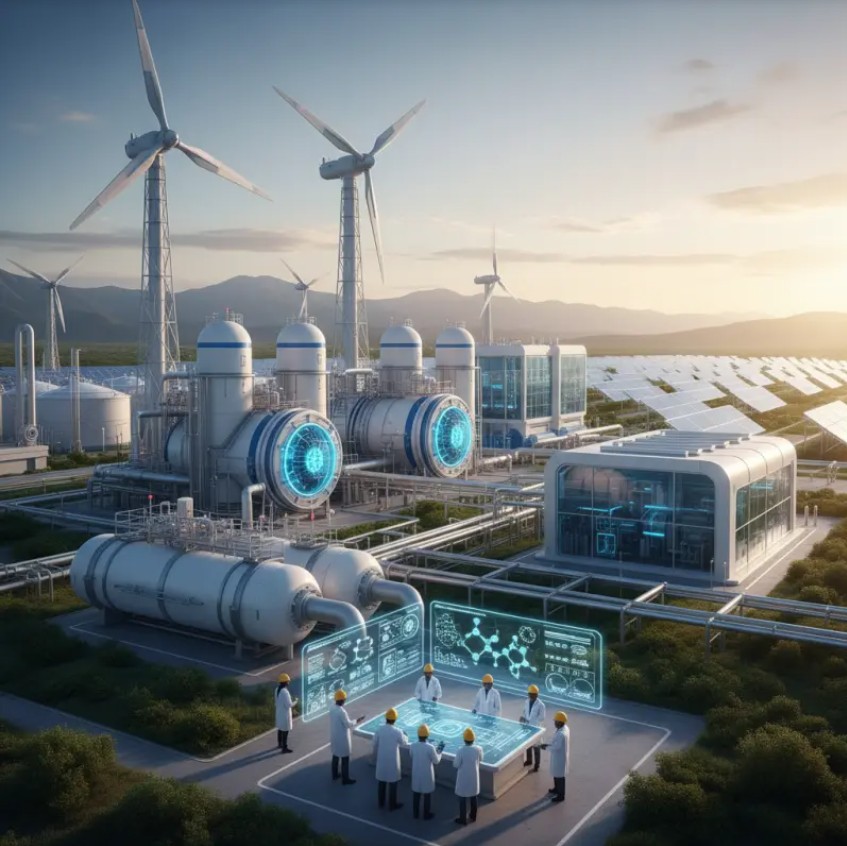
In recent years, hydrogen solutions have gained significant traction in various industrial applications. The CE certification process plays a crucial role in ensuring that these solutions meet quality and safety standards. Understanding these standards is vital for manufacturers aiming to enter or maintain their presence in the market.
CE certification involves rigorous testing and evaluation. It confirms that products comply with EU safety standards. These standards encompass various aspects, such as environmental impact and user safety. Companies developing hydrogen solutions should prioritize compliance. Ignoring these standards can lead to costly setbacks.
Tips for manufacturers: Engage with certification bodies early. This facilitates a smoother certification process. Regularly update your knowledge about changing standards. Industry guidelines evolve rapidly, and staying informed ensures compliance. Also, consider collaborating with certified professionals who specialize in CE certification for hydrogen solutions. This partnership can enhance your expertise.
The path to achieving CE certification is not without its challenges. Manufacturers may face obstacles during testing. It’s essential to be adaptable and willing to make adjustments to products. Reflecting on feedback from the certification process can lead to better overall solutions.
The hydrogen industrial sector is witnessing unprecedented growth. The global push for cleaner energy sources is driving this change. With increasing environmental concerns, businesses are pivoting towards hydrogen solutions. This shift is not merely theoretical; industries are rapidly adopting hydrogen technologies for energy storage and transportation.
Demand for customized hydrogen solutions is surging. Manufacturers are under pressure to innovate and enhance their offerings. Companies struggle with developing efficient technologies while maintaining cost-effectiveness. The growing market highlights a critical need for skilled professionals and advanced research. Collaboration among engineers, scientists, and policymakers is essential. Yet, the pace of innovation often lags behind the expanding needs.
Understanding the market landscape is vital for stakeholders. Companies must analyze shifting consumer preferences and regulatory frameworks. Not all manufacturers adapt swiftly to these changes. Some hesitate, risking losing their competitive edge. Reliable data and foresight will be indispensable for navigating this evolving industry. Effective strategies can help bridge the gap between demand and supply in hydrogen solutions.
The hydrogen industry is expanding rapidly. As we approach 2026, several key manufacturers are making strides. These companies focus on innovative CE certification solutions tailored for hydrogen applications. They offer unique designs and technical expertise, fostering growth. Their engineering teams are equipped with cutting-edge knowledge in the hydrogen sector.
Many manufacturers prioritize safety and efficiency. Yet, there remains a need for improvement. Some processes could be more streamlined. Industry professionals often point out that not all solutions meet the robust standards expected. It's essential to address these gaps for wider acceptance and implementation. Collaborations among these pioneers could yield better products for various sectors.
Hydrogen technology can transform energy systems. However, the market remains volatile. This uncertainty can hinder investment. Manufacturers must remain resilient and adaptable. They could benefit from feedback loops with users. Learning from real-world applications will enhance reliability. As these companies evolve, they must balance innovation with practical solutions.
The landscape of hydrogen solutions in manufacturing is changing rapidly. Technological innovations are at the forefront of this evolution. Automated systems now enhance efficiency, while IoT devices help monitor hydrogen usage in real time. These advancements lead to cost savings and improved safety. However, integration challenges persist. Many manufacturers struggle to update existing infrastructure to accommodate new technologies.
The focus on sustainable energy solutions is driving researchers to develop advanced catalysts and electrolyzers. These innovations make hydrogen production more efficient. Yet, achieving scalability remains a hurdle. Not all facilities can transition smoothly to hydrogen-based systems. Additionally, the environmental impact of sourcing materials for these innovations should not be overlooked. Thoughtful consideration of resource extraction processes is essential.
Ultimately, companies must balance innovation with practicality. They need to assess their unique situations. Effective hydrogen solutions must align with organizational capabilities and environmental goals. Exploring these dynamics allows for a more nuanced understanding of the future of hydrogen in manufacturing.
| Company Type | Location | Main Product | Certification Type | Technology Focus |
| Manufacturer | Germany | Hydrogen Fuel Cells | CE Certification | Fuel Cell Technology |
| Research Firm | Japan | Electrolyzers | ISO Certification | Water Splitting Technology |
| Consultancy | USA | Hydrogen Production | CE Certification | Sustainable Energy Solutions |
| Manufacturer | South Korea | Hydrogen Storage Systems | ISO Certification | Storage and Transportation Innovations |
| Industry Leader | Canada | Hydrogen Fuel Production | CE Certification | Green Hydrogen Technology |
Regulatory compliance is critical in hydrogen production. As hydrogen becomes a key player in energy transition, manufacturers must prioritize safety and quality. CE certification serves as a milestone, ensuring products meet European standards. This can foster trust among stakeholders.
When pursuing CE certification, understanding regulations is essential. Each step in hydrogen production requires compliance checks. This involves rigorous testing and documentation. Manufacturers should maintain transparent processes to showcase their adherence to standards. Seeking expert guidance can streamline certification journeys.
Tips: Always keep updated with regulatory changes. Establish a documentation system to track compliance efforts. Engage with regulatory bodies for insights. Remember that non-compliance can lead to costly delays. Prioritize quality to enhance marketability and safety.
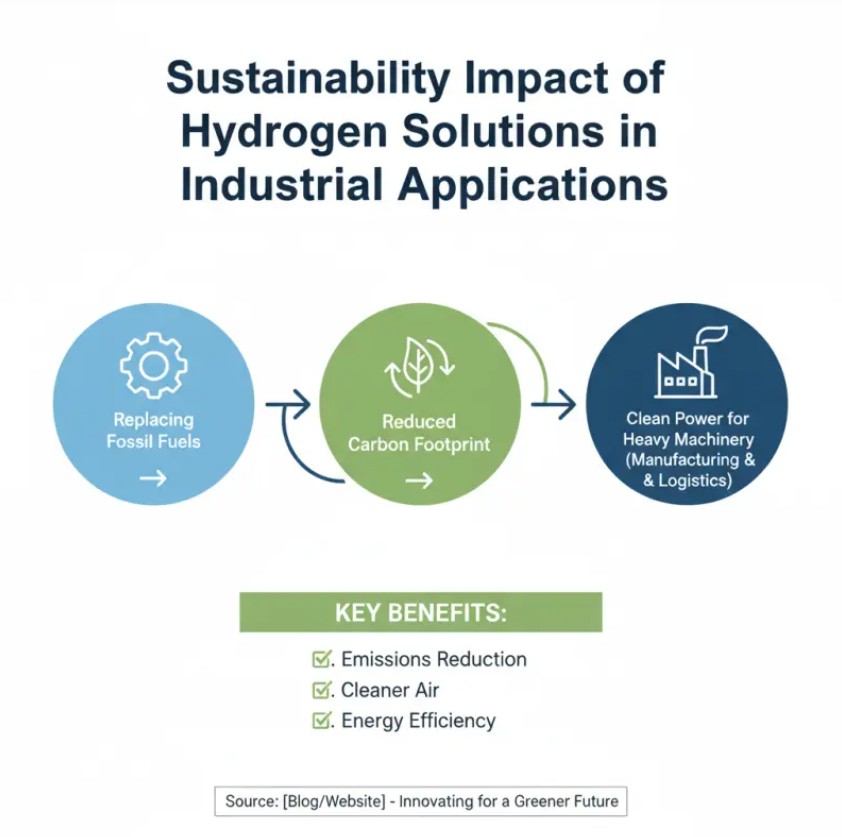
Hydrogen solutions are emerging as a pivotal element in industrial sustainability. Their potential to replace fossil fuels offers a pathway to reducing carbon footprints. For instance, hydrogen can power heavy machinery, which traditionally relies on diesel. This shift could lead to significant emissions reductions in sectors like manufacturing and logistics.
However, the transition is not without challenges. Infrastructure for hydrogen production and distribution needs expansion. Industries must also evaluate the economic viability of hydrogen solutions compared to conventional energy sources. Despite these hurdles, companies are finding ways to integrate hydrogen into their operations effectively. Innovations in electrolyzer technology are making it feasible to produce green hydrogen at scale.
The impact of hydrogen adoption extends beyond emissions. It influences energy prices and job creation in new sectors. Industries must navigate this evolving landscape carefully. Stakeholders must collaborate on developing standards and best practices. This requires industry-wide commitment and adaptability, highlighting the complexities of moving towards hydrogen solutions.
The hydrogen industry is poised for significant transformation by 2026. Companies are exploring innovative technologies to enhance hydrogen production efficiency. Trends indicate a growing focus on sustainable solutions, reflecting the global shift towards clean energy. As environmental concerns rise, manufacturers must adapt their practices. This is not just about market demand; it's about responsibility.
Emerging technologies like electrolysis and biomass conversion are gaining traction. These methods can provide greener alternatives to traditional hydrogen production. However, the challenge lies in scalability and cost reduction. Many firms are still grappling with these issues. Collaboration and research partnerships will play crucial roles in overcoming these barriers.
Market projections suggest a robust growth trajectory. As businesses adopt hydrogen solutions, regulatory frameworks will evolve. This could create both opportunities and challenges for manufacturers. Stakeholders must engage in continuous learning and adaptation. It's essential to stay informed of industry developments. The overall landscape is promising, but vigilance and innovation will dictate success.
The article provides a comprehensive overview of the evolving landscape of Hydrogen Industrial Solutions, emphasizing the importance of CE certification standards in 2026. As the demand for sustainable energy sources grows, the market analysis highlights the increasing reliance on hydrogen solutions across various industries. Key manufacturers are leading innovative technological advancements that not only enhance efficiency but also ensure regulatory compliance in hydrogen production.
Furthermore, the sustainability impact of these solutions is explored, showcasing their role in reducing carbon footprints within industrial applications. Looking ahead, the article projects future trends and market growth for hydrogen manufacturers, underscoring the significance of investing in hydrogen industrial solutions as a pivotal component of the global energy transition.
What is driving the growth of the hydrogen industrial sector?
The demand for cleaner energy sources is primarily driving this growth.
Are businesses adopting hydrogen technologies quickly?
Many industries are adopting hydrogen technologies. However, the pace of innovation often lags behind the demand.
What challenges do manufacturers face in producing hydrogen solutions?
Manufacturers struggle with developing efficient and cost-effective technologies.
Why is market analysis important for stakeholders?
Understanding market dynamics helps companies adapt to changing consumer preferences and regulations.
How can manufacturers improve their hydrogen offerings?
They can focus on innovation and streamline their processes to enhance efficiency and safety.
Is there a need for skilled professionals in the hydrogen sector?
Yes, the growing market highlights a critical need for skilled professionals and advanced research.
What role do collaborations play in the hydrogen industry?
Collaboration among engineers and scientists can lead to better products and innovative solutions.
How can manufacturers learn from users?
Feedback loops with users can enhance reliability and improve real-world applications of hydrogen technologies.
Are all hydrogen solutions meeting industry standards?
Not all solutions meet robust standards, which may hinder wider acceptance and implementation.
What can hinder investment in hydrogen technology?
Market volatility and uncertainty can pose challenges that hinder investment in the hydrogen sector.



 IPv6 network supported