Electrodialysis (ED) is an independent membrane-based desalination pathway distinct from pressure-driven membrane technologies (RO/NF/UF/MF). Driven by an electric field, it achieves ion separation through the selective migration of ion exchange membranes, complementing rather than competing with RO...
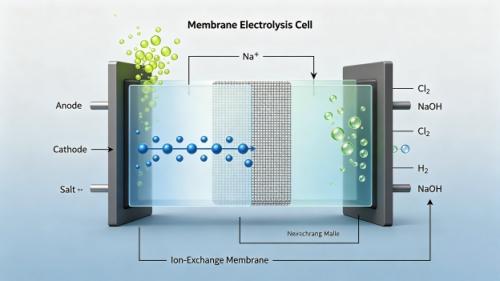
Salt (NaCl) is dissolved in water, and direct current is applied. At the anode, yellow-green chlorine gas is released; at the cathode, hydrogen gas is produced, and sodium hydroxide (NaOH) forms in the solution. Overall reaction: 2NaCl + 2H₂O ⟶ 2NaOH + Cl₂↑ + H₂↑
This reaction does...
A Systematic Guide to Backwashing & Cleaning Strategies for Electrodialyzers
Electrodialysis (ED) technology, as an efficient and economical membrane separation process, plays an important role in industrial water treatment, material separation, and wastewater reclamation. However, during long-t...
Driven by the dual-carbon targets and national wastewater resource recovery strategy, industries are heavily investing in green transitions. Alongside zero liquid discharge (ZLD) for wastewater, adopting hydrogen fuel cell systems for clean energy has become another inevitable technical route for wa...
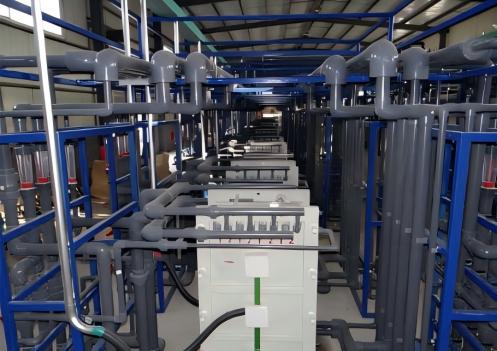
The electrolyzer is the core and critical equipment in chlor-alkali chemical production. It utilizes ion-exchange membrane electrolysis technology to electrolyze brine, producing key products such as caustic soda, chlorine gas, and hydrogen gas. Its operational stability and safety directly determin...
When it comes to industries focused on sustainable water management, chemical water treatment equipment really plays a vital role. I mean, David Smith, who’s pretty much an expert in water treatment tech, once said, “Quality equipment is the backbone of effective water treatment.”...
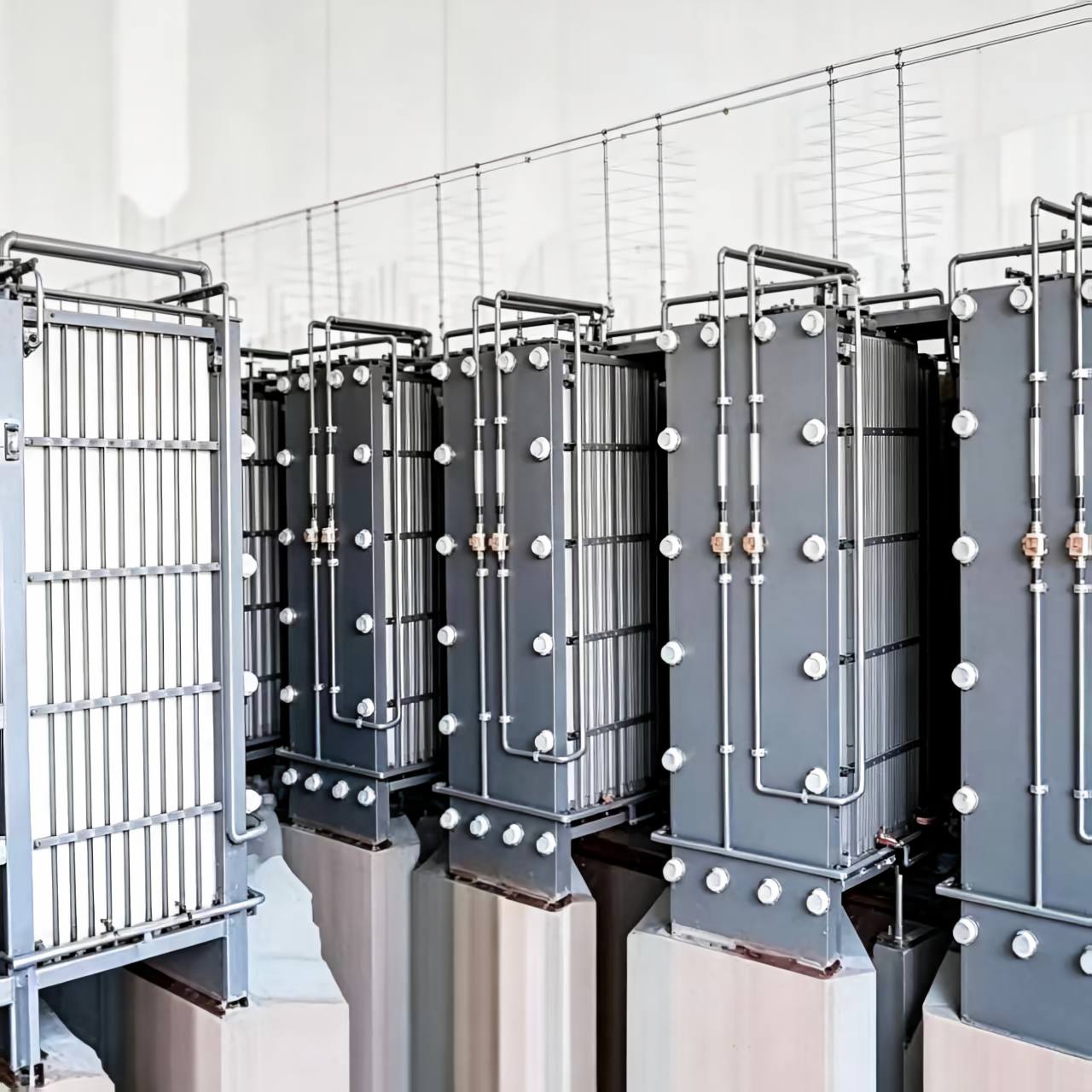
The ion-exchange membrane electrolyzer is the "heart" equipment of the membrane-based chlor-alkali process. It receives purified brine and produces three core products – caustic soda, chlorine gas, and hydrogen – through direct-current electrolysis. It directly determines the production...
According to the International Desalination Association (IDRA) Desalination & Reuse Handbook (2024–2025), there are currently approximately 23,000 seawater desalination plants worldwide, with a total capacity of 98.98 million m³/day, meeting the water needs of about 300 million people...
As more and more folks are looking toward clean energy options, Hydrogen Refueling Station Components are becoming a pretty big deal in the jump toward hydrogen fuel tech. I mean, a recent report from the International Energy Agency mentioned that by 2030, we might be producing around 150 million to...
1. Overall System Configuration
The water-cooled PEM fuel cell power generation system consists of five independent modules: the fuel cell stack, the hydrogen supply module, the air supply module, the thermal management module, and the electronic control module. Each module is isolated from the othe...
Lately, there's been a noticeable spike in the global demand for Hydrogen Compression Modules, mainly because everyone’s now talking about clean energy solutions. I came across a report from MarketsandMarkets that suggests the hydrogen compression market might hit around $XX billion by 2025, w...
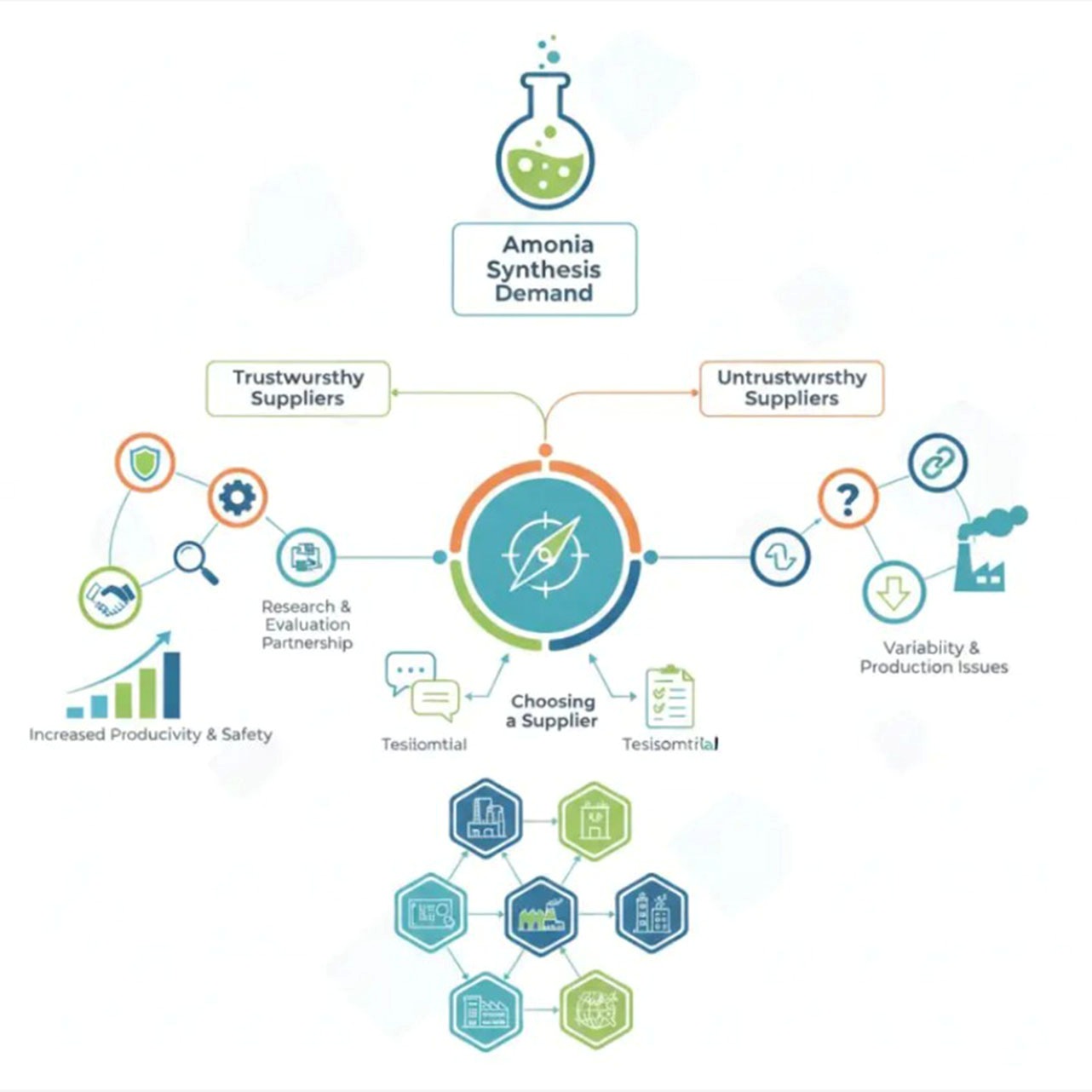
You know, there's never been a bigger buzz around finding efficient ways to produce ammonia. Especially in China, where the industry’s changing so quickly, staying ahead means finding the right partner. That’s where China Leading Ammonia Synthesis Equipment Supplier comes in—offeri...