English
 français
 Deutsch
 italiano
 русский
 español
 português
 العربية
 Nederlands
 한국의
한국의 Romania
 Bulgaria
 Melayu
What Are You Looking For?

The ion-exchange membrane electrolyzer is the "heart" equipment of the membrane-based chlor-alkali process. It receives purified brine and produces three core products – caustic soda, chlorine gas, and hydrogen – through direct-current electrolysis. It directly determines the production capacity, energy consumption, product purity, and operational safety of the entire chlor-alkali production line. Compared with ordinary chemical equipment, ion-exchange membrane electrolyzers operate under more severe conditions, have highly monopolized spare parts, and require much higher maintenance thresholds. As early-stage chlor-alkali plants enter their mid-to-late service life, electrolyzers commonly face issues such as rising cell voltage, electrode coating degradation, aging and leakage of ion-exchange membranes, exorbitant OEM maintenance costs, cross-border parts shortages, and discontinuation of older models, leading to persistently high plant operation and maintenance costs. This article focuses on answering: when must a chlor-alkali plant replace individual unit cells or the entire electrolyzer system? It breaks down the specific pain points of electrolyzer degradation, provides graded replacement criteria, and introduces our company's one-stop services covering full-brand imported electrolyzer parts supply and non-destructive equivalent replacement.
Chlor-alkali electrolyzers operate long-term under high temperature, high alkalinity, high chloride ion concentration, and high DC voltage. The medium is highly corrosive, operating parameters require high precision, OEM equipment is highly exclusive, third-party maintenance is restricted, and the difficulty of operation and maintenance is far greater than that of conventional water treatment equipment:
The anode uses a titanium-based ruthenium-iridium coating, and the cathode uses a nickel-based active coating. Long-term brine electrolysis, impurity ion scouring, and load fluctuations during start-stop cycles cause the catalytic coating to peel off and passivate. This directly leads to a continuous increase in unit cell voltage and a decline in current efficiency, resulting in a substantial rise in plant power consumption per unit of caustic soda production. Conventional online cleaning cannot restore electrode activity.
If calcium/magnesium ions, sulfate, or suspended solids are not completely removed during pretreatment, they can directly scratch the imported specialty ion-exchange membranes. In addition, acid/alkali permeation, differential pressure imbalance, and thermal shock can cause pinholes, delamination, and leakage in the membrane. Imported OEM ion-exchange membranes are priced at a premium, with delivery lead times of 40–60 days, and they are only compatible with the original manufacturer's cell bodies. Membranes of different brands cannot be used interchangeably, leaving consumable maintenance entirely monopolized by the brand.
The electrolyte and wet chlorine gas are highly corrosive. The FKM rubber gaskets, hoses, sacrificial anodes, copper busbar connectors, and hydraulic clamping assemblies of the unit cells are highly susceptible to aging and corrosion. Brand-specific non-standard spare parts have very limited local inventory. Cross-border customs and logistics cycles take 8–12 weeks. When parts are out of stock, the plant must shut down and wait for materials, resulting in substantial production losses.
For electrolyzers from manufacturers such as Asahi Kasei and Uhde, a proprietary OEM-certified major overhaul system is enforced. Unauthorized third-party teams are not permitted to disassemble, reassemble, pressure-test, or commission the cells. If a plant performs its own disassembly, maintenance, or parts replacement, the remaining equipment warranty is directly voided. OEM on-site overhaul labor and commissioning fees are extremely high, and the overhaul schedule is uncontrollable.
Many first-generation zero-gap and conventional-gap electrolyzers installed before 2015 have been globally discontinued. The OEM no longer produces unit cells, matching hydraulic components, or control systems for these models. Newer upgraded electrolyzers have completely different dimensions, control systems, and flow channel structures. Retrofitting them to interface with the existing brine pretreatment, chlorine treatment, and rectifier systems requires extensive plant-wide piping and control system modifications, with extremely high costs.
From 2018 to 2020, a large number of imported electrolyzers were commissioned globally and will soon enter their 8-year replacement window. Combined with OEM parts price increases, extended supply lead times, and tightening energy consumption compliance regulations, approximately 30% of imported electrolyzer projects worldwide will initiate unit cell replacement, complete-unit equivalent replacement, or energy-saving retrofits over the next three years. Demand for third-party non-destructive replacement and localized maintenance services will rise significantly. The nine signs that an electrolyzer needs replacement:
When any of the following conditions occurs, it indicates that the unit cell or the complete electrolyzer has entered the replacement window:
(1) Under the same current load, the unit cell voltage has risen by more than 0.15 V above the standard value for new cells, and the plant's total caustic soda power consumption exceeds the limit, with long-term electricity costs far exceeding maintenance costs.
(2) Current efficiency falls below 92%, and the purity of chlorine gas and caustic soda products does not meet specifications, leading to a significant increase in auxiliary purification material consumption.
(3) Load is restricted – the plant cannot increase production current, and the overall production capacity falls short of the plant's design capacity.
(4) The titanium anode substrate or nickel cathode substrate of the unit cell has corroded and perforated, causing electrolyte leakage from the cell body, with risks of caustic leakage and gas cross-over.
(5) Multiple unit cells experience frequent membrane rupture and short circuits between anode and cathode, requiring frequent shutdowns for membrane replacement, with annual membrane replacement frequency far exceeding industry standards.
(6) The hydraulic clamping system has aged and lost pressure, the cell body is deformed, and pressure-holding tests fail to meet the explosion-proof operational standards required for chlor-alkali facilities.
(7) Design service life: electrode coatings 6–8 years, complete unit cells 8–10 years. Once the design life is reached, performance declines precipitously, and batch replacement is recommended.
(8) The brand/model has been globally discontinued, and the regional distributor has withdrawn, with no OEM spare parts or technical support for commissioning or major overhauls available.
(9) Large-area electrode delamination has occurred, and recoating cannot restore the electrode; even if recoated, the service life is less than one year, making maintenance economically unviable.
Our Company's One-Stop Solutions: Full-Brand Electrolyzer Parts Supply, Non-Destructive Replacement, and Energy-Saving Retrofits
For all series of imported ion-exchange membrane electrolyzers from Asahi Kasei, Uhde, Chlorine Engineers, Bayer, and other brands, we serve caustic soda, liquid chlorine, and high-purity alkali production plants worldwide. We provide one-stop services including OEM parts supply, electrode recoating, unit cell replacement, and complete-unit equivalent retrofit – all compatible with existing production line systems without the need for extensive modifications to piping or rectifier equipment. Our services include:
We maintain in-stock inventory of original brand-specific ion-exchange membranes, FKM rubber gaskets, electrolyte hoses, sacrificial anodes, clamping cylinders, conductive copper busbars, and specialty insulation components. We also accept custom manufacturing and customs clearance for obsolete or discontinued non-standard parts, providing full customs compliance documentation, shortening cross-border supply lead times, and resolving plant shutdowns caused by parts shortages.
We can supply replacement unit cells and complete electrolyzer systems with parameters matching those of the original imported models. The external dimensions, interface flow channels, electrical parameters, and hydraulic parameters are fully compatible with the original equipment, allowing direct plug-and-play connection to the existing brine system, rectifier control cabinet, and tail-gas piping – without the need for civil works, piping modifications, or control system changes. Customers can choose between original imported complete-unit replacement and high-performance compatible complete-unit replacement, depending on project budget requirements.
For high-energy-consumption older-gap imported electrolyzers, we provide zero-gap energy-saving retrofits, cell body flow channel optimization, and rectifier load matching modifications. After retrofitting, cell voltage is reduced and current efficiency is improved, with measurable power savings per ton of caustic soda – suitable for compliance-driven energy-saving and cost-reduction retrofits in older plants.
We provide online standardized training for plant operations and maintenance personnel on electrolyzer start-up/shutdown procedures, differential pressure control, emergency fault handling, and routine maintenance. This is backed by 24/7 global remote process technical support.
FAQ:
Who are we?
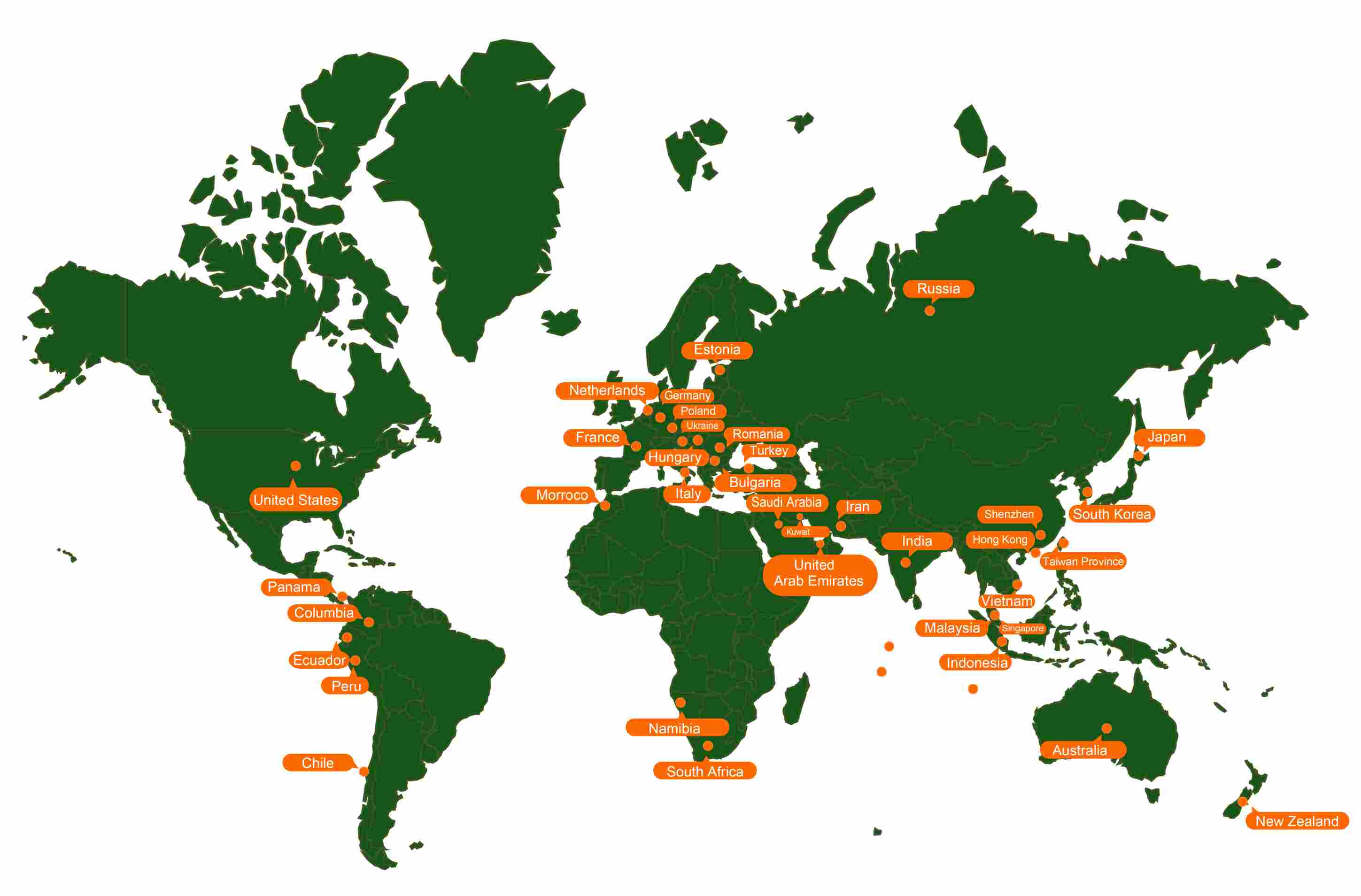
We are based in Anhui, China, start from 2011,sell to Southeast Asia,North America,Eastern Europe,South Asia.
Can you customize the rated power or voltage?
Yes, customizing products is acceptable.
Can your company provide whole system(fuel cell, Hydrogen production, hydrogen storage, hydrogen supply system)?
Yes, we can provide necessary accessories accordingly.
Why should you buy from us not from other suppliers?
We have an experienced professional technical research and development team. Control system matching ability/R&D and quality control ability. Price advantage brought by supply chain integration capabilities.


 IPv6 network supported