English
 français
 Deutsch
 italiano
 русский
 español
 português
 العربية
 Nederlands
 한국의
한국의 Romania
 Bulgaria
 Melayu
What Are You Looking For?


Knowledge sharing, technology cooperation, and industry docking activities centered around clean energy technologies between two countries, institutions, or enterprises. The core objective is to accelerate technological innovation, reduce costs, and promote the large-scale application of green energy through collaboration.
Description
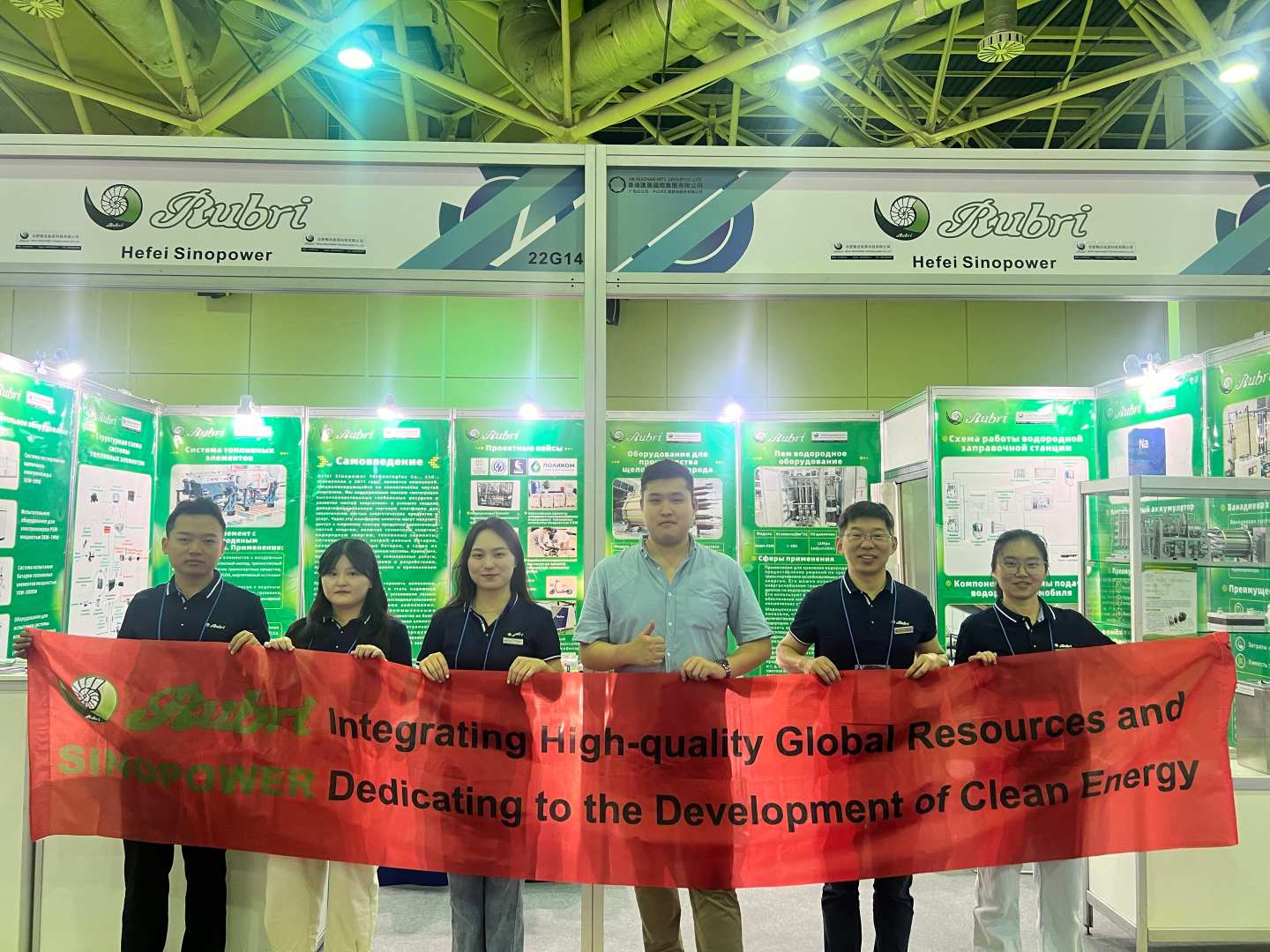
Bilateral technical exchanges in clean energy represent a structured
cooperation mechanism established at the international level or
between institutions, specifically targeting zero-carbon energy technologies.
This mechanism is embodied in collaborative activities involving two countries,
institutions, or enterprises, focusing on knowledge sharing, technological
cooperation, and industrial alignment in the realm of clean energy. Its core objective
is to accelerate technological innovation, substantially reduce costs, and facilitate
the large-scale deployment of green energy through cooperative efforts.
Main Forms
| 1 | Technical seminar |
| 2 | Field visits and demonstrations |
| 3 | Joint Research and Development (R&D) |
| 4 | Technical training services |
Knowledge sharing, technology cooperation, and industry docking activities centered around clean energy technologies between two countries, institutions, or enterprises. The core objective is to accelerate technological innovation, reduce costs, and promote the large-scale application of green energy through collaboration.
Read More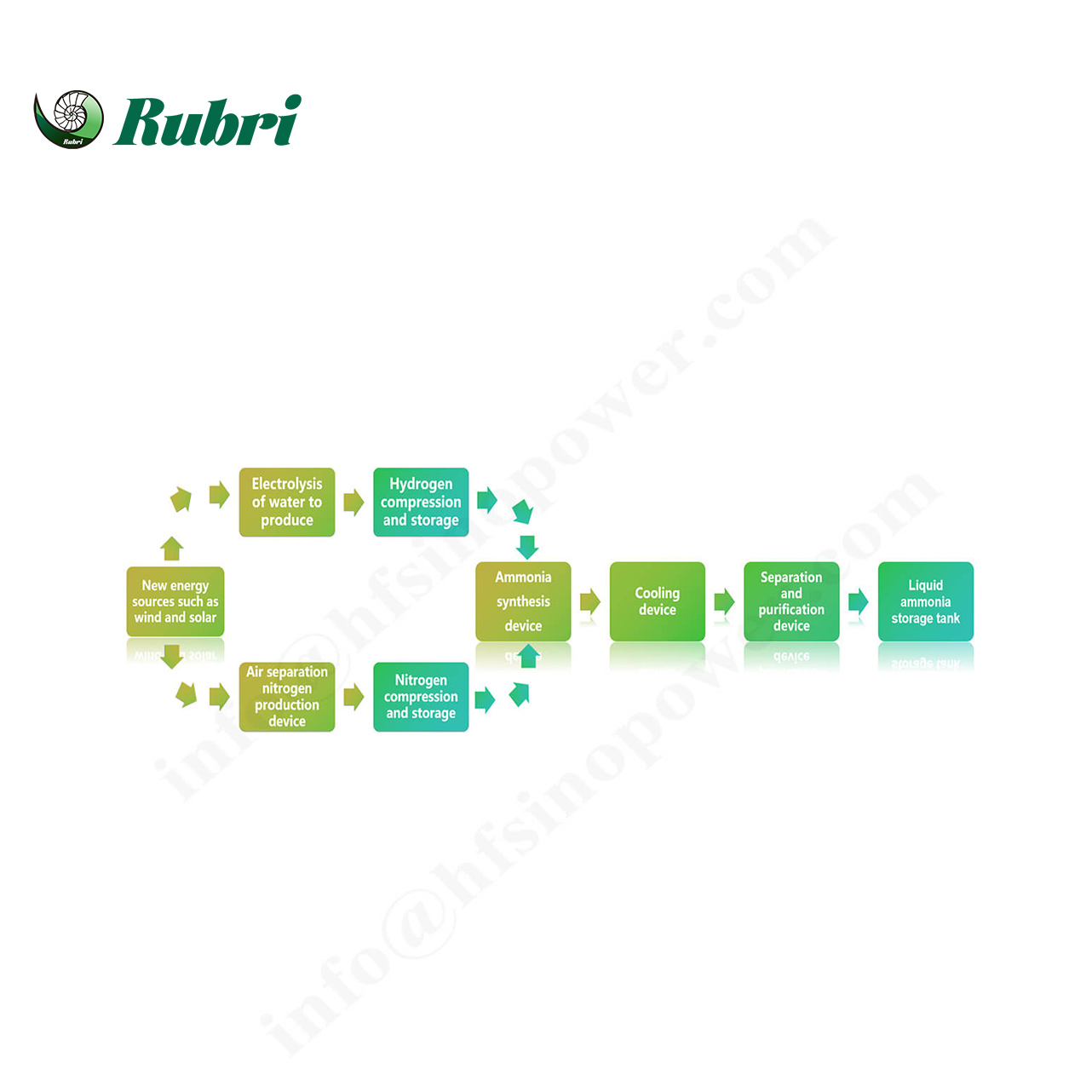
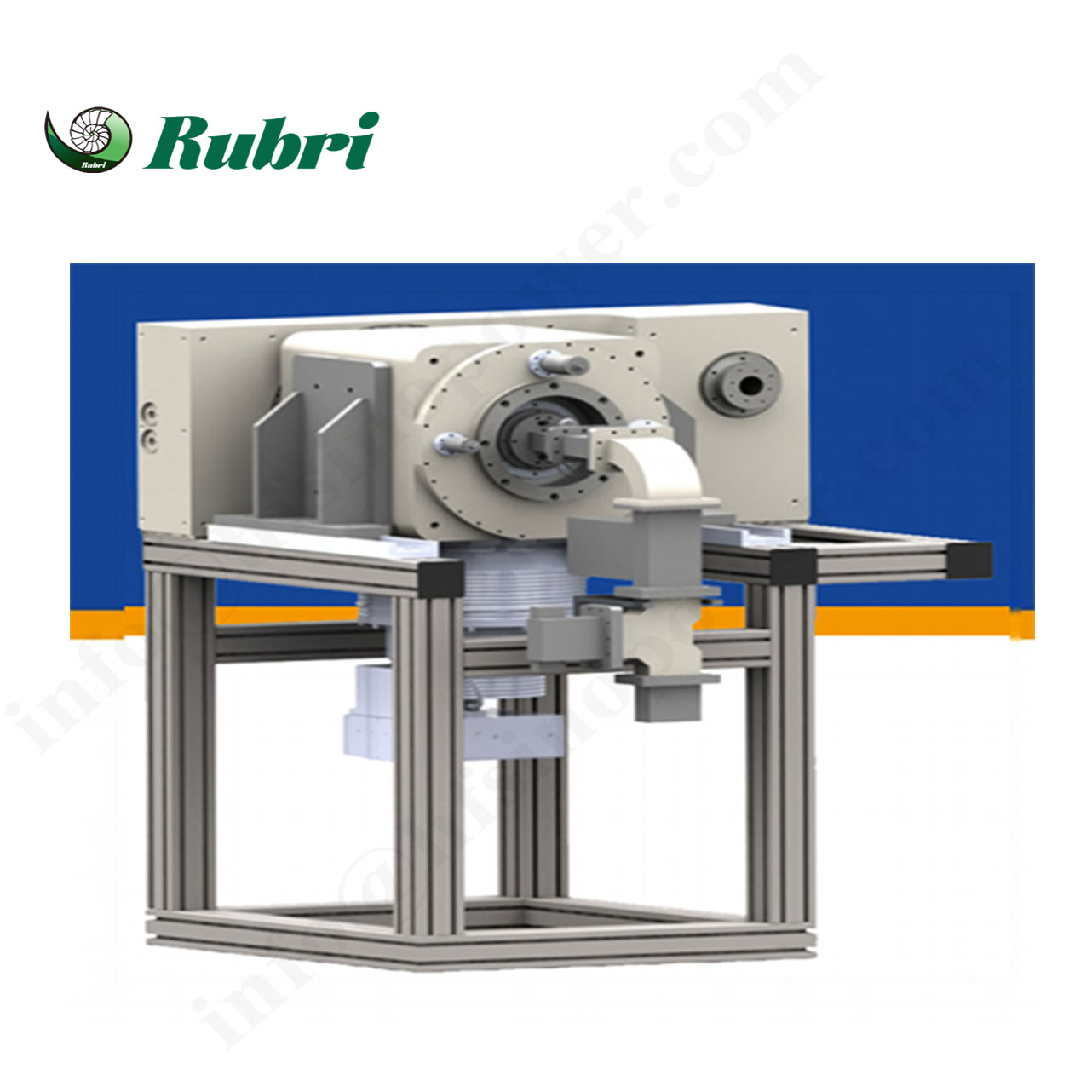
Neutron source is an important experimental platform for advanced nuclear energy research and development and cross-application research of nuclear technology. The small neutron source SNEG uses the ionization of the ECR ion source to generate deuterium ions, which induce deuterium ion beams and accelerate the bombardment of the target under the action of a DC high-voltage electric field, and generate 2.5 MeV neutrons through the deuterium-deuterium reaction. Small neutron sources can be used for neutron physics experimental research, detector calibration, neutron irradiation, neutron component detection, neutron photography, neutron cancer treatment, isotope production, etc.
Read More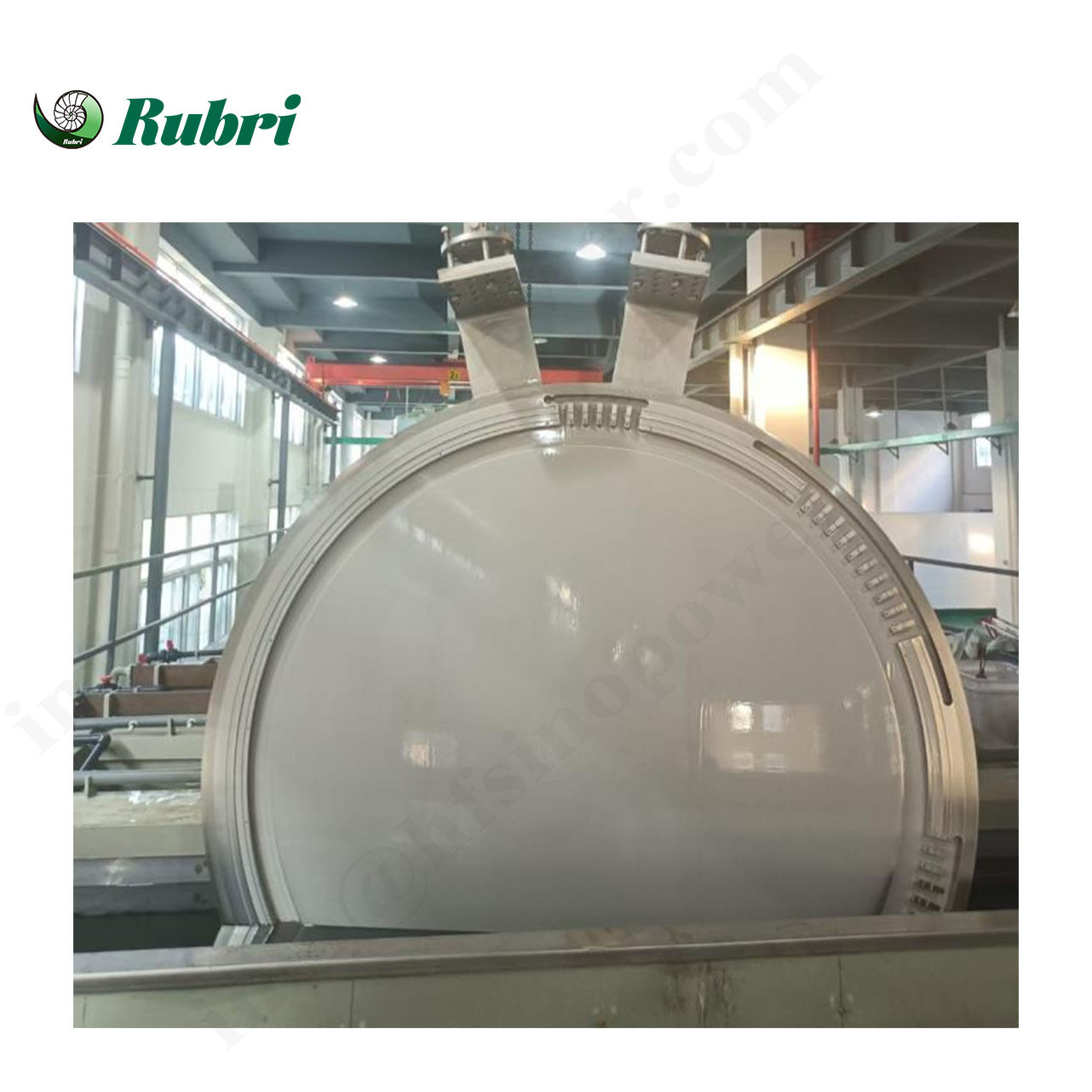
We provide nickel plating and electrolytic polishing services to enhance the corrosion resistance and surface precision of metal components (e.g., hydrogen storage equipment parts).
Read More
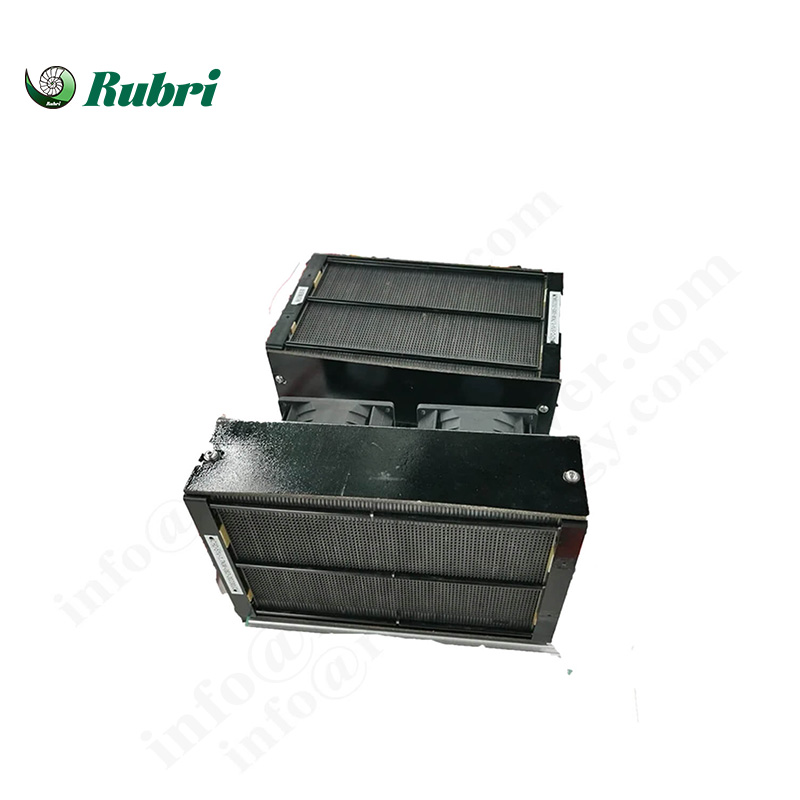
Low-power - 100 kW class ammonia-hydrogen/pure hydrogen fuel cell power generation equipment , based on liquid ammonia ( NH3 is used as a hydrogen storage medium, mainly including hydrogen production from ammonia decomposition and hydrogen-nitrogen mixed gas fuel . The battery has two core components. First, an ammonia decomposition catalyst produces a mixture of 75% hydrogen and 25% nitrogen. Then, after removing trace amounts of ammonia and undergoing heat exchange and cooling, the mixture enters the fuel system. The battery generates electricity, and the energy flow and power supply of the system are coordinated based on the real-time detection and control module .
Read More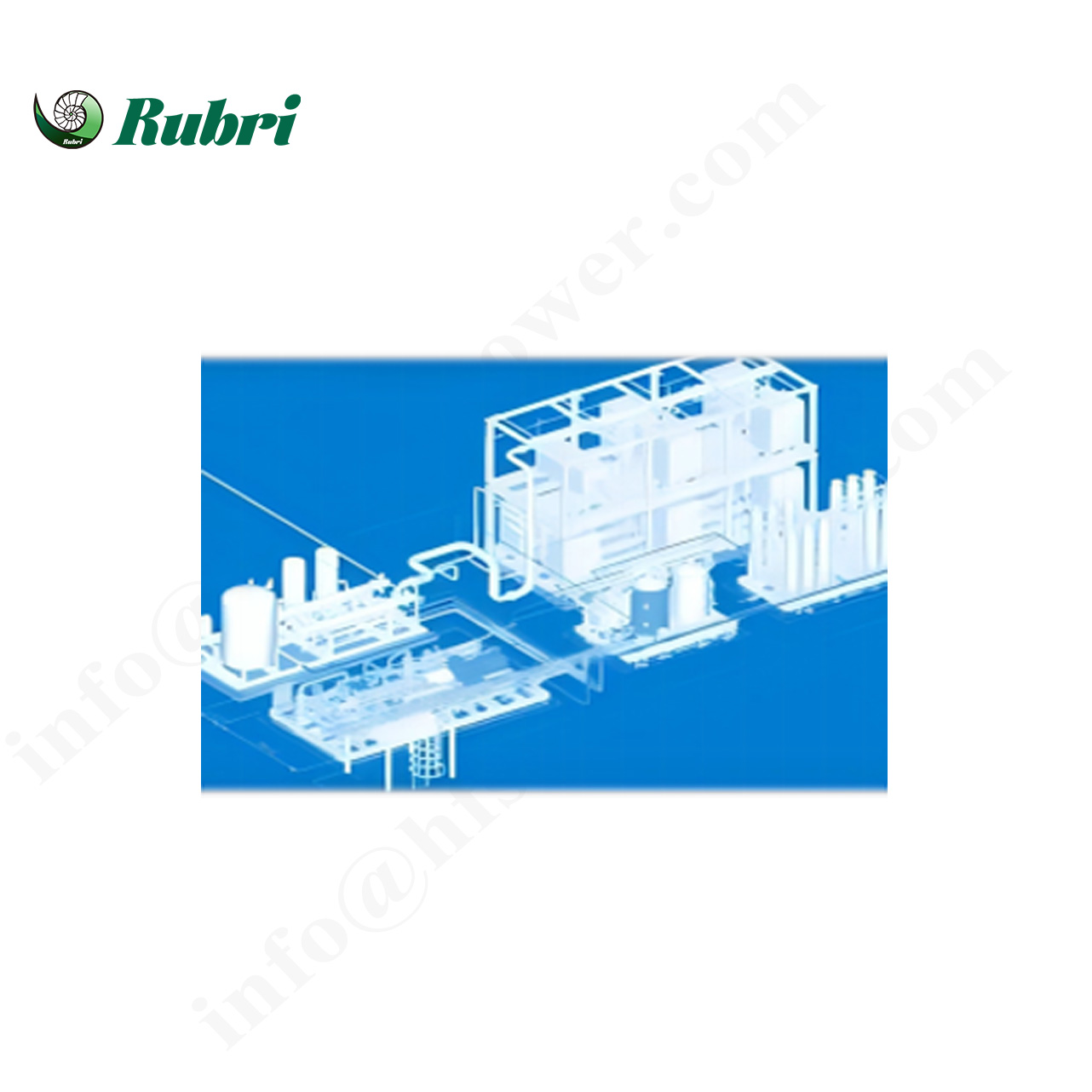
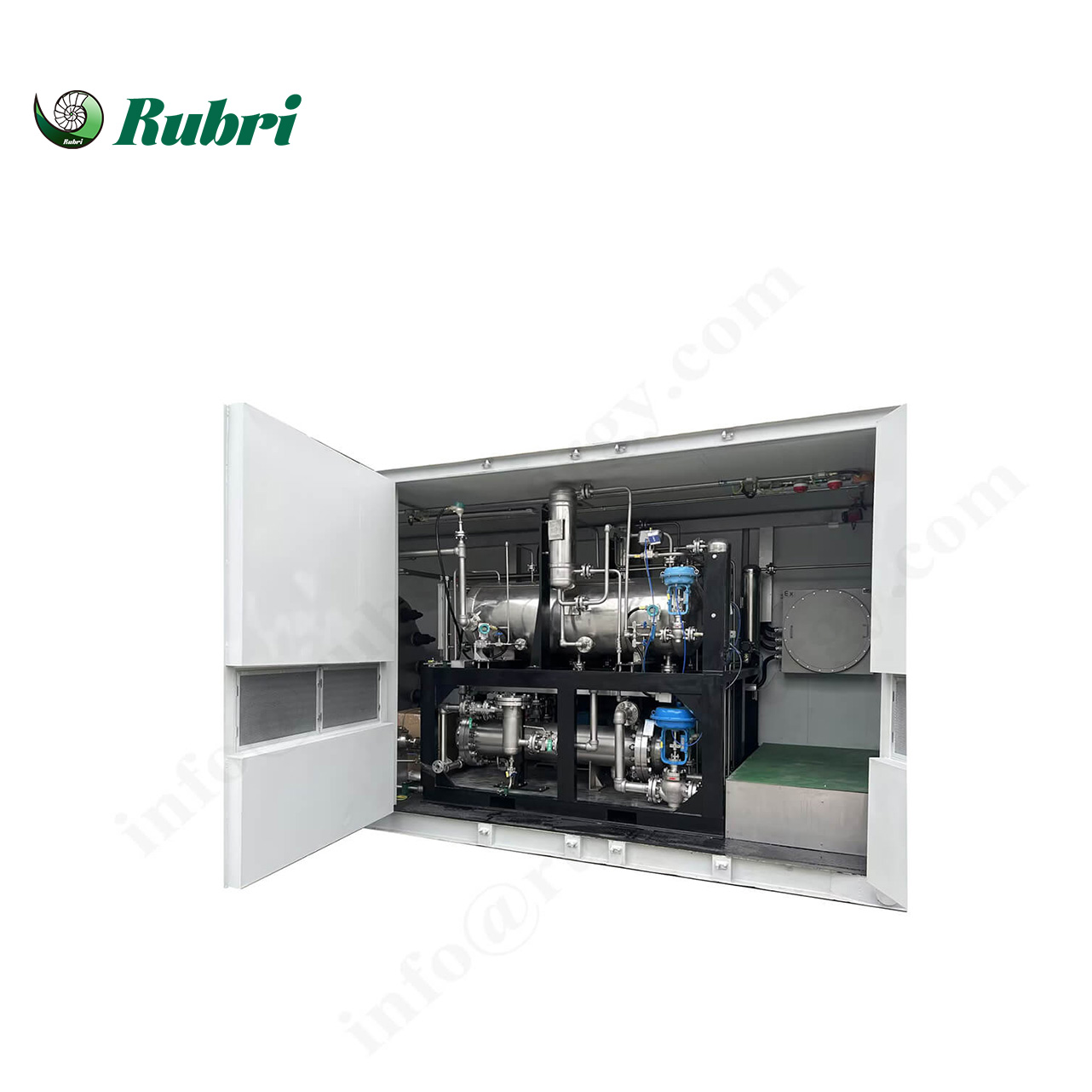
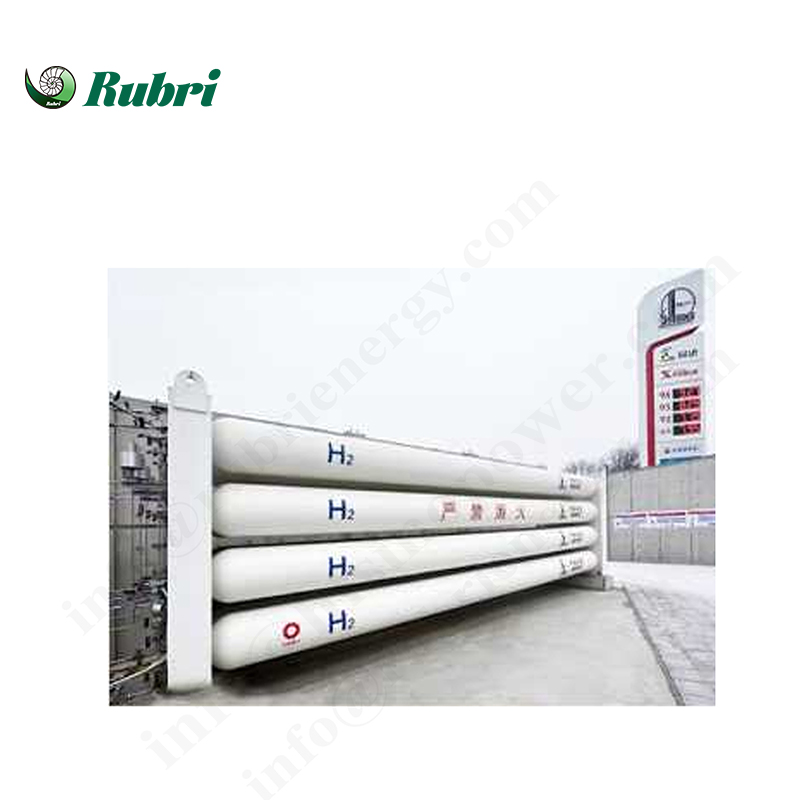
Ammonia efficiently decomposes into hydrogen and nitrogen under catalyst action; after deammoniation and purification, high‑purity hydrogen is obtained, ensuring safe production. Using green ammonia enables zero‑carbon hydrogen production. The hydrogen is pressurized, stored, and precisely dispensed to vehicles via a sequential control panel and hydrogen dispenser, delivering an efficient and safe on‑site supply solution.
Read More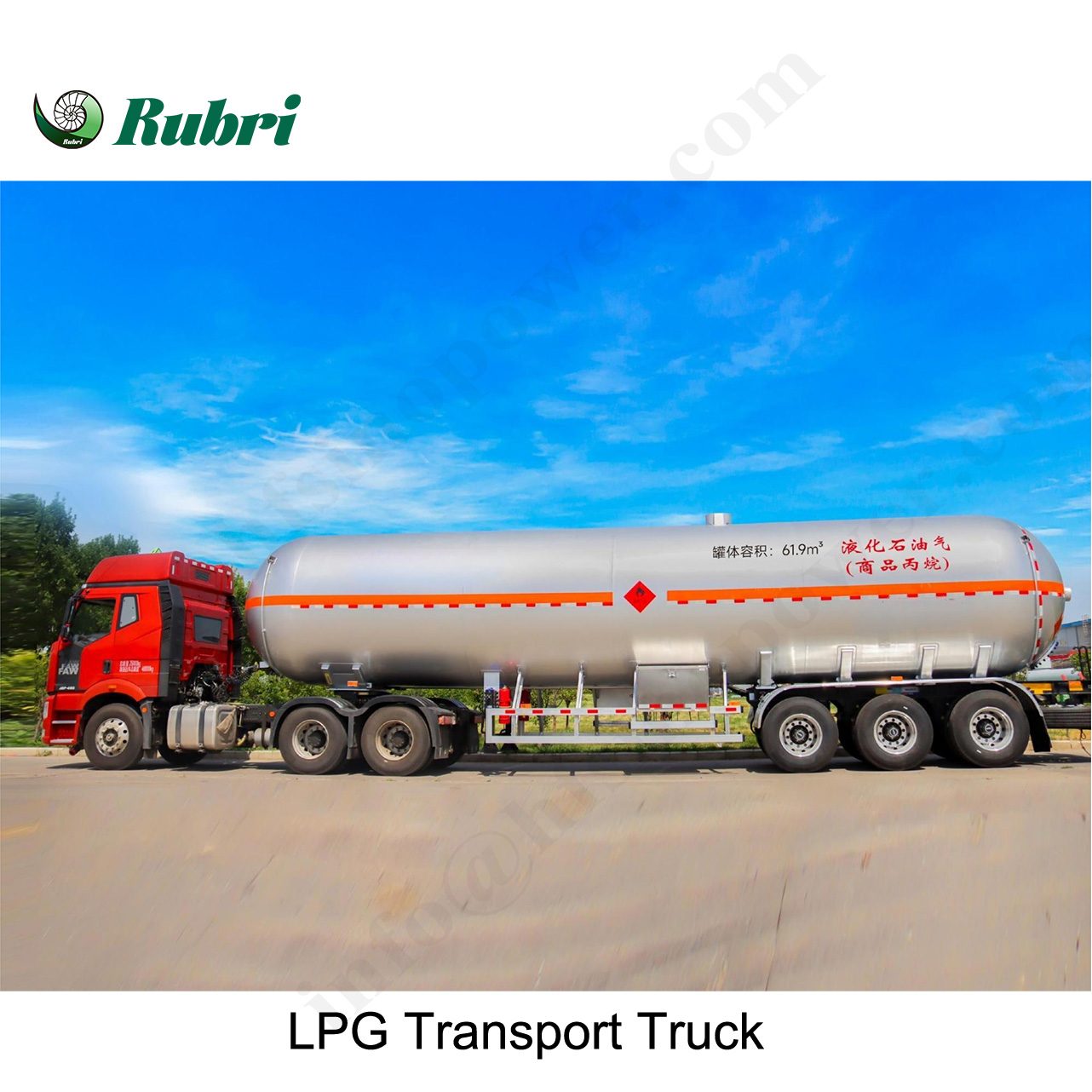
These 1.76MPa design pressure LPG tank semi-trailers feature 60.72/61.9m³ volume and 40000kg GVW, ideal for reliable bulk LPG delivery for gas stations and industrial use.
Read More


 IPv6 network supported