English
 français
 Deutsch
 italiano
 русский
 español
 português
 العربية
 Nederlands
 한국의
한국의 Romania
 Bulgaria
 Melayu
What Are You Looking For?

Hydrogen storage in industry is really opening up some exciting opportunities, especially with the whole hydrogen economy ramping up. The International Energy Agency (IEA) suggests that by 2030, worldwide demand for hydrogen could hit around 550 million tons — that's a huge number! Naturally, that kind of interest creates a big push for better, more reliable storage solutions. Companies like Air Products and Linde are really on the cutting edge, working on innovative ways to improve storage tech.
That said, it’s not all smooth sailing. There are still quite a few hurdles, especially when it comes to scaling up and keeping costs in check. Finding solutions that can hold large amounts of hydrogen safely, cheaply, and efficiently is the big challenge. For example, storage tanks need to handle super high pressures without wasting too much energy — it’s a tricky balancing act. Cryogenic storage might come with some advantages, but it also brings its own set of logistical headaches.
The market is moving fast, no doubt, but coming up with storage methods that are both reliable and efficient isn’t straightforward. Everyone involved needs to keep safety and sustainability front and center — addressing worries around the materials used and the environmental impact. Looking ahead, the potential for hydrogen is huge, but reaching the perfect storage solution is going to take some serious innovation and careful planning.
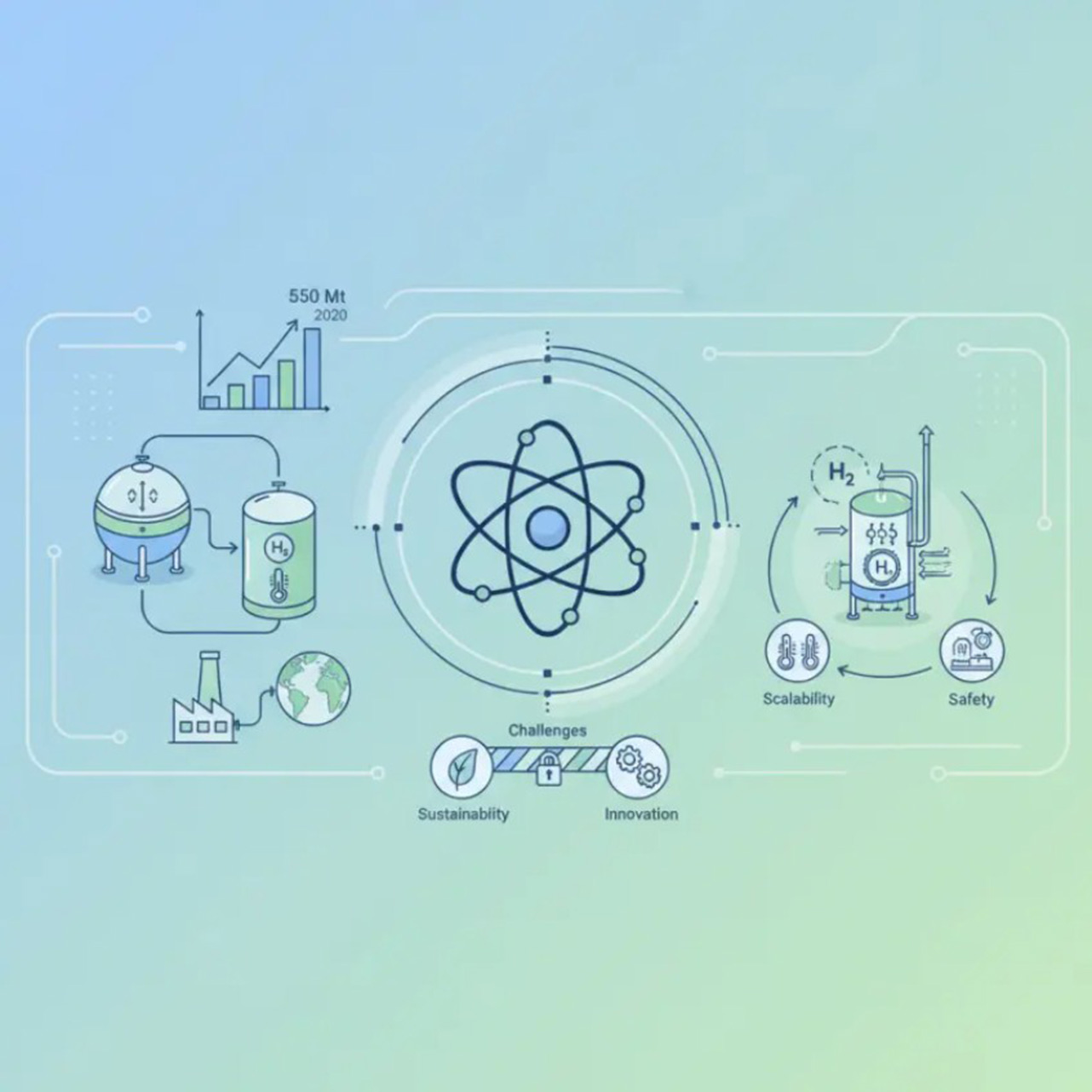
Overview of Hydrogen Industrial Storage Solutions
Hydrogen storage is crucial for the growing hydrogen economy. Various methods exist for storing hydrogen, each with distinct advantages and challenges. In industrial settings, effective storage solutions enable efficient use of hydrogen as a clean energy source. Compressed gas storage is one common method. It allows for high-density storage but requires robust tank designs. These tanks can be expensive and necessitate regular safety checks.
Another solution is liquid hydrogen storage. It involves cooling hydrogen to extremely low temperatures. This method maximizes storage capacity but increases energy costs and requires advanced technology. Metal hydrides present a solid-state option. They can absorb hydrogen gas and release it on demand, yet they often involve complex materials.
Emerging solutions, like cryogenic storage, show potential but still face technical hurdles. Factors such as ambient temperatures can greatly impact efficiency. As technology evolves, finding the right storage method becomes a balancing act. It involves weighing factors such as cost, safety, and available infrastructure. Each option comes with its own set of trade-offs, demanding careful consideration from global buyers.
| Storage Solution | Capacity (kg) | Form | Pressure (bar) | Material | Applications |
| Compressed Hydrogen Tanks | 1000 | Gas | 350 | Steel | Fleet Fueling |
| Cryogenic Storage Tanks | 5000 | Liquid | 1.5 | Aluminum | Industrial Processes |
| Metal Hydrides | 200 | Solid | - | Alloy | Portable Applications |
| Hydrogen Storage Modules | 1500 | Gas | 200 | Composite | Fuel Cells |
| Advanced Gas Cylinders | 300 | Gas | 400 | Carbon Fiber | Research & Development |
| Underground Storage | 100000 | Gas | - | Natural Formation | Grid Stability |
| Pipelines for Transport | - | Gas | - | Steel | Long-Distance Transport |
| High-Density Hydrogen Refrigerators | 1200 | Liquid | 1.8 | Stainless Steel | Food Processing |
| Hydrogen Adsorption Systems | 800 | Solid | - | Carbon-based Materials | Energy Storage |
| Liquid Organic Hydrogen Carriers | Fuels | Liquid | - | Organic Solvents | Transport Fuel |
Importance of Hydrogen Storage in the Global Market
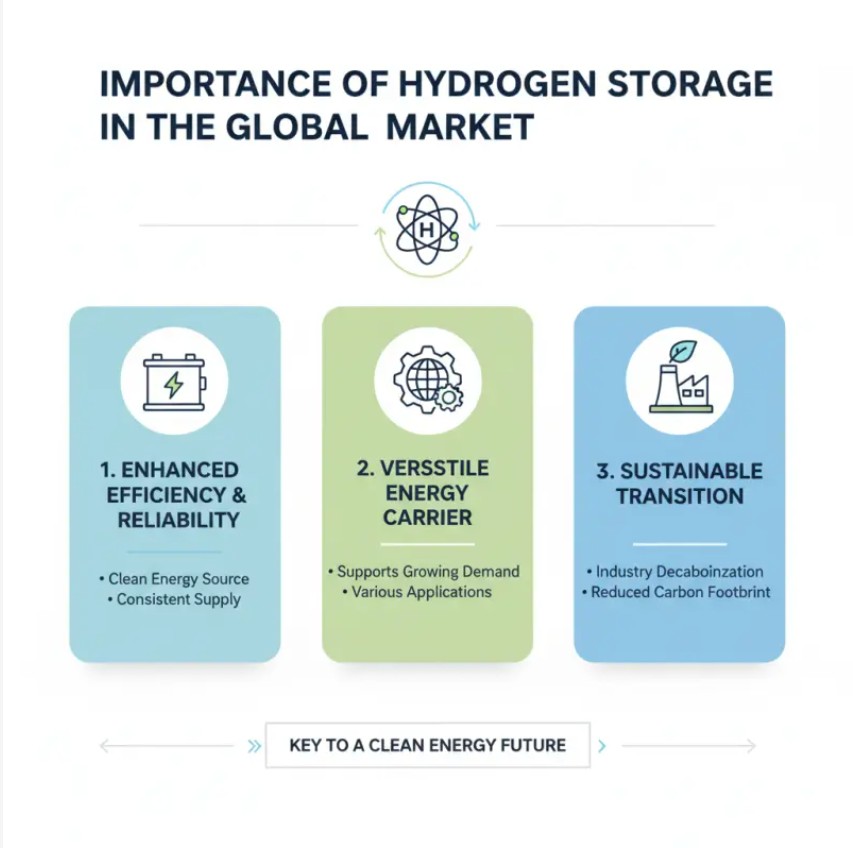 Hydrogen storage plays a crucial role in the global market. It enhances the efficiency and reliability of hydrogen as a clean energy source. As a versatile energy carrier, hydrogen must be stored effectively to support a growing demand. This demand arises from industries seeking to transition to sustainable practices and reduce their carbon footprint.
The methods of hydrogen storage vary widely. Compressed gas, liquid hydrogen, and advanced material-based solutions each offer unique benefits and challenges. For example, compressed gas is more straightforward but requires robust containment. On the other hand, liquid hydrogen storage is efficient but requires expensive cryogenic systems. Advanced materials, such as metal hydrides, provide innovative alternatives but may still face scalability issues.
Tips: Investigate the specifications of each storage method. Understand the safety requirements involved. Always stay updated on industry advancements. Knowledge in materials and engineering can significantly impact storage efficiency and safety. The right choice largely depends on application needs and regional regulations.
Hydrogen storage technologies are critical for advancing the hydrogen economy. Various methods exist, each with unique advantages and challenges. Compressed hydrogen storage is widely used, favoring simplicity and established infrastructure. According to the International Energy Agency, this method can achieve storage pressures up to 700 bar, offering high energy density.
Cryogenic storage involves liquefying hydrogen at -253°C. This technology enables significant volumetric storage, but energy-intensive cooling is a drawback. A recent study indicated that cryogenic systems can reach storage densities of around 70 kg/m³. However, the insulation requirements raise concerns about efficiency.
Metal hydrides present an innovative solution. These materials absorb hydrogen at normal temperatures, offering low-pressure, safe storage. However, they often require extensive research to optimize performance. Current materials may limit practicality due to cost and weight factors.
Tip: Consider the lifecycle analysis of each storage technology. Operational efficiency matters, and longevity can impact overall cost effectiveness.
Solid hydrogen storage is evolving. It relies on chemical reactions to secure hydrogen within specific materials. While promising, it remains an area where further development is needed. Researchers are exploring various compounds to enhance capacity and release rates.
Tip: Stay abreast of emerging technologies in hydrogen storage. Innovation can reshape market dynamics and affect future investments.
Hydrogen is gaining momentum as a sustainable energy source. Storing it efficiently is crucial for the industry. Various storage solutions exist to meet different needs, each with its own advantages and challenges.
Some solutions include high-pressure gas cylinders, liquid hydrogen tanks, and chemical hydrogen storage. High-pressure systems can store large quantities but require advanced safety measures. Liquid hydrogen is also effective, though it demands cryogenic temperatures. Chemical storage can provide safe, low-pressure methods, but extraction processes can be complex.
Tip:When selecting a hydrogen storage solution, consider the specific application and environmental conditions. Each method has unique operational risks and benefits. Be aware of safety protocols and regulations. Whichever storage option you choose, ensure it meets industry standards and local regulations.
Innovations continue to emerge in the hydrogen storage field. Researchers are exploring new materials and techniques to enhance safety and efficiency. Progress often raises questions about implementation and scalability. This can sometimes lead to misunderstandings about the technology's readiness.
Tip:Keep up with advancements in hydrogen storage technology. Engaging in community discussions can provide fresh insights. Forming partnerships with experienced providers can aid in navigating this evolving landscape.
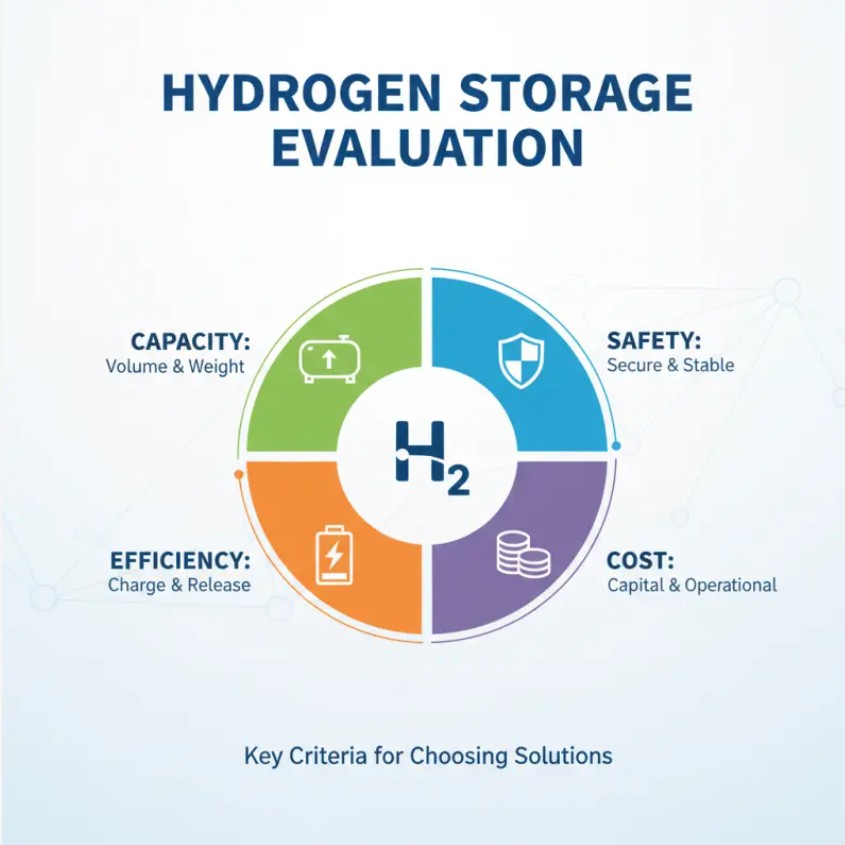
When choosing hydrogen storage solutions, several key criteria come into play. First, the capacity of the storage system is crucial. Buyers need to assess how much hydrogen can be stored safely and efficiently. This involves understanding the volume and weight specifications of the storage technology.
Another important factor is the technology's safety features. Hydrogen is a flammable gas, and safety must be prioritized. Potential buyers must evaluate storage solutions for risk factors and mitigation strategies. The durability and maintenance needs are also essential. Sometimes, systems require regular upkeep, impacting long-term costs and reliability.
Cost-effectiveness should not be overlooked. The initial investment versus long-term operational costs plays a significant role in decision-making. Yet, what appears cheap may hide future expenses. Lastly, environmental impact matters in today’s market. Solutions should align with sustainability goals, but many choices may create unexpected challenges. It's vital to weigh all aspects holistically.
Hydrogen storage plays a vital role in our sustainability efforts and energy transition. As we shift from fossil fuels, effective storage solutions are essential. They must safely store hydrogen for various applications, from fuel cells to industrial uses.
Innovative storage technologies are diverse. Compressed gas systems are popular, but they come with challenges like high pressure requirements. Liquid hydrogen offers density, yet it requires extensive insulation. Solid-state solutions show promise but still face scalability issues. Each method needs careful examination to ensure it aligns with sustainability goals.
Tip: Always consider the entire lifecycle of hydrogen storage solutions. A seemingly efficient option may have hidden environmental impacts.
Society is at a pivotal moment. The demand for clean energy insists we rethink conventional methods. While hydrogen shows great potential, the infrastructure is still developing. Adoption rates can vary significantly based on region and technology readiness.
Tip: Engaging in pilot projects can provide invaluable insights. Experimenting at a smaller scale helps gauge both effectiveness and feasibility.
As we advance, collaboration between industries and researchers will be crucial. This cooperation fosters innovation and addresses challenges. Stakeholders must remain open to feedback and adapt strategies as needed to ensure successful energy transition.
Hydrogen storage technologies are evolving rapidly. Innovations aim to address the challenges of efficiency and safety. Compressed gas, liquid hydrogen, and solid-state storage are common methods. Each approach has unique advantages and challenges. For example, compressed hydrogen is easier to transport but requires high-pressure containment. Liquid hydrogen offers higher energy density, but it poses boil-off issues.
Recent advancements include metal hydrides and chemical hydrogen storage. These methods promise improved energy density and operational safety. Metal hydrides can absorb and release hydrogen efficiently, making them appealing for industrial applications. However, they can be expensive and require careful temperature management. Research is ongoing to enhance their performance and reduce costs.
Future trends suggest a shift towards hybrid solutions combining various storage methods. This could enhance safety and efficiency. As the industry evolves, a focus on sustainability remains critical. Continuous innovation is essential to meet the demands of global hydrogen markets. Balancing efficiency and cost will be pivotal as technologies develop. The journey is complex, with many questions yet to be answered.
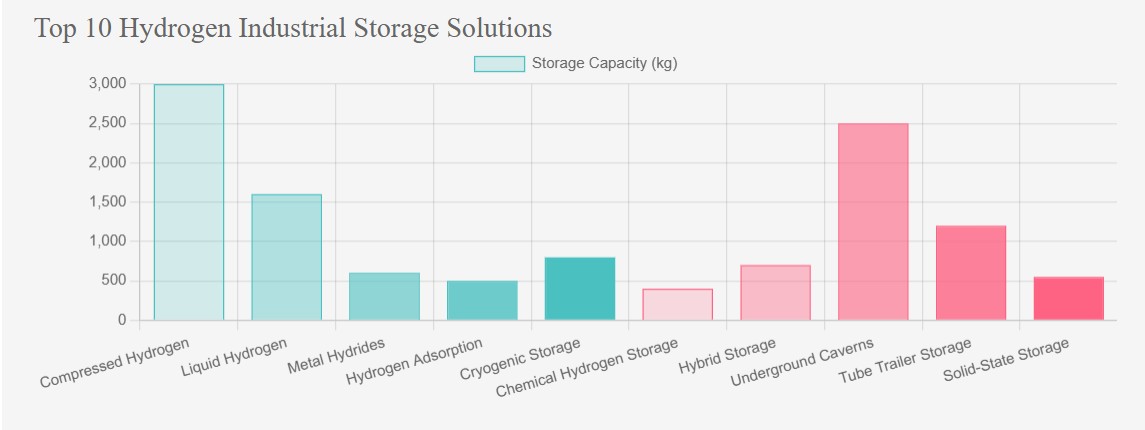
Hydrogen Industrial Storage is becoming increasingly vital in the global energy market as a means to support the transition towards sustainable energy solutions. This article outlines the various storage technologies available, emphasizing their importance in managing hydrogen supply and ensuring energy reliability. By exploring the top ten hydrogen storage solutions, the piece highlights the criteria for evaluating these technologies, focusing on efficiency, safety, and sustainability.
As industries seek to reduce carbon footprints, the impacts of Hydrogen Industrial Storage on sustainability are profound, fostering significant advancements in technology and innovation. The article also discusses future trends that could reshape hydrogen storage, enhancing its role in the energy transition and global market dynamics. Overall, the effective management of hydrogen storage not only advances energy strategies but also contributes to a cleaner environment.
1、What are the main hydrogen storage technologies?
Key technologies include compressed hydrogen storage, cryogenic storage, metal hydrides, and solid hydrogen storage.
2、What is compressed hydrogen storage?
This method involves storing hydrogen under pressure, reaching up to 700 bar, offering high energy density.
3、How does cryogenic storage work?
Cryogenic storage liquefies hydrogen at extremely low temperatures, allowing for significant volumetric storage but requires energy-intensive cooling.
4、What are metal hydrides?
Metal hydrides absorb hydrogen at normal temperatures, offering safe storage, though performance optimization is often needed.
5、Why is solid hydrogen storage important?
It uses chemical reactions to store hydrogen in specific materials. However, further development is required for capacity and release rates.
6、What should be considered for hydrogen storage sustainability?
Lifecycle analysis is crucial. Efficient storage may still have hidden environmental impacts that must be evaluated.
7、How does regional infrastructure affect hydrogen adoption?
Adoption rates can vary based on regional infrastructure and technology readiness. This can impact the overall transition to clean energy.
8、Why is collaboration important in hydrogen storage?
Collaboration fosters innovation and addresses challenges, helping industries adapt strategies for a successful energy transition.
9、Can pilot projects help in hydrogen storage development?
Yes, engaging in pilot projects allows for testing effectiveness and feasibility on a smaller scale, providing valuable insights.
10、What challenges do compressed gas systems face?
Compressed systems require high pressure, which presents safety and operational challenges that need careful consideration.



 IPv6 network supported