English
 français
 Deutsch
 italiano
 русский
 español
 português
 العربية
 Nederlands
 한국의
한국의 Romania
 Bulgaria
 Melayu
What Are You Looking For?

The core of the electrolysis process (chlor-alkali) is an electrochemical reaction driven by direct current (DC) (an endothermic reaction). Its core raw material is an aqueous solution of sodium chloride (NaCl). Under the action of DC current, it produces three core products: chlorine (Cl₂), hydrogen (H₂), and sodium hydroxide (NaOH, commonly known as caustic soda). The core reaction formulas are as follows:
Anode: 2Cl⁻ → Cl₂↑ + 2e⁻
Cathode: 2H₂O + 2e⁻ → H₂↑ + 2OH⁻
Overall reaction: 2NaCl + 2H₂O → 2NaOH + Cl₂↑ + H₂↑ (under energized conditions)
Since the birth of the chlor-alkali industry, the process technology has undergone three major iterations: the mercury method, the diaphragm method, and the ion-exchange membrane method. The following is a detailed comparison of these three processes.
| Process Type | Ion-exchange Membrane Process | Diaphragm Process | Mercury Process |
| Key Features | Perfluorinated ion-exchange membrane separates anode and cathode, allowing only Na⁺ to pass through, achieving precise product separation | Asbestos/modified diaphragm used; brine and caustic soda partially mix, limited separation efficiency | Mercury acts as cathode to form sodium amalgam intermediate, which is then hydrolyzed to produce caustic soda |
| Product Purity | Caustic soda 32–35%, high purity | Caustic soda 10–12%, relatively low purity, requires refining | Caustic soda 50%, extremely high purity, low salt content |
| Energy Consumption (per ton of caustic soda) | 2,100–2,300 kWh | 2,400–2,600 kWh | 2,500–2,800 kWh |
| Environmental Impact | Mercury-free and asbestos-free, clean and environmentally friendly | Contains asbestos, causes environmental pollution | Severe mercury pollution |
| Current Status | Mainstream (accounting for >88%), 4th generation technology developed | Some old facilities to be phased out by 2025 | Globally banned |
The application of ion-exchange membranes in the chlor-alkali industry represents a revolution, solving the pollution problems of the mercury process and overcoming the purity and energy consumption limitations of the diaphragm process. It boasts multiple advantages, including environmental friendliness, energy saving, and high efficiency, making it the most advanced caustic soda production technology in the world today. We will provide a detailed introduction to the ion-exchange membrane process flow.
The electrolysis unit is the "heart" of the entire chlor-alkali process. Under the action of direct current, refined brine completes electron transfer and ion separation, generating chlorine, hydrogen, and caustic soda.
Electrolyzer Structure: Utilizing a plate-and-frame structure, it consists of three parts: unit cells, ion-exchange membrane, and electrode plates. Hydraulic clamping ensures excellent sealing and low contact resistance.
Ion-Exchange Membrane Characteristics: A composite membrane of perfluorocarboxylic acid/sulfonic acid (Rf-SO3H/Rf-COOH). The anode side has a sulfonic acid layer (low resistance), and the cathode side has a carboxylic acid layer (blocking OH⁻, highly selective for Na⁺). High-quality ion-exchange membranes can achieve a current efficiency of up to 96.5%.
Electrode Materials: The choice of electrode directly affects electrolysis efficiency and energy consumption. Currently, the anode uses a DSA electrode (titanium-based RuO₂-IrO₂ coated); the cathode uses a nickel (Ni)-based Pt or Raney nickel coated electrode, replacing traditional graphite electrodes and significantly reducing energy consumption.
Operating Parameters:
| Cell Temperature | 85–90°C |
| Cell Voltage | 2.8–3.2 V per cell unit; total voltage varies with number |
| of units | |
| Current Density | 3–5 kA/m²; up to 6 kA/m² achievable with 4th generation cells |
| Anolyte pH | 2.5–3 (to prevent hypochlorous acid formation) |
| Pressure Differential (Cathode vs. Anode) | Cathode approx. 2 kPa higher than anode, to prevent chlorine gas from crossing into the hydrogen system |
Today, ion-exchange membrane technology has become the mainstream process in the global chlor-alkali industry. In the future, the chlor-alkali industry will move towards green, low-carbon, circular economy, and high-end development.
FAQ:
1. Who are we?
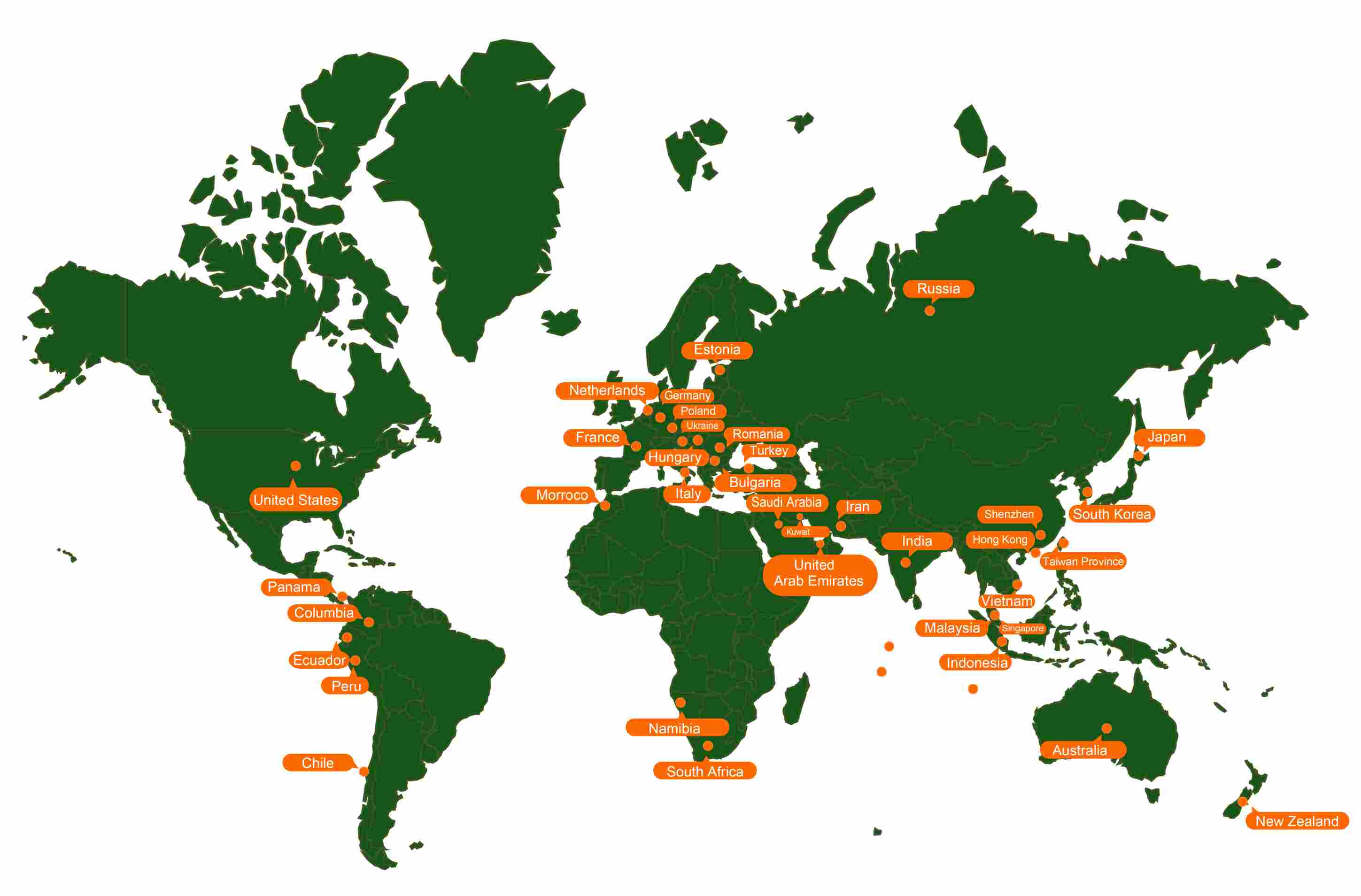
We are based in Anhui, China, start from 2011,sell to Southeast Asia,North America,Eastern Europe,South Asia.
2.Can you customize the rated power or voltage?
Yes, customizing products is acceptable.
3.Can your company provide whole system(fuel cell, Hydrogen production, hydrogen storage, hydrogen supply system)?
Yes, we can provide necessary accessories accordingly.



 IPv6 network supported