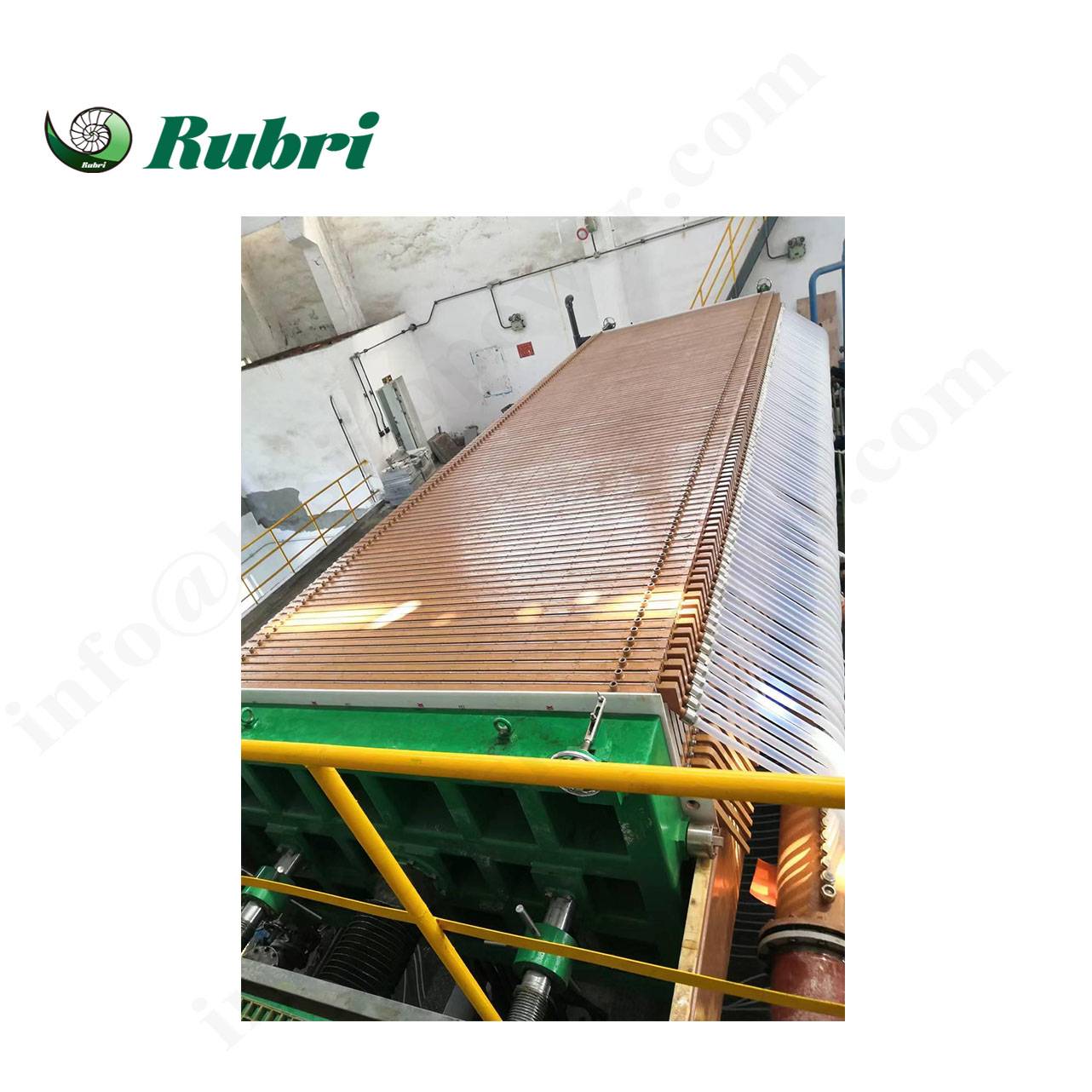
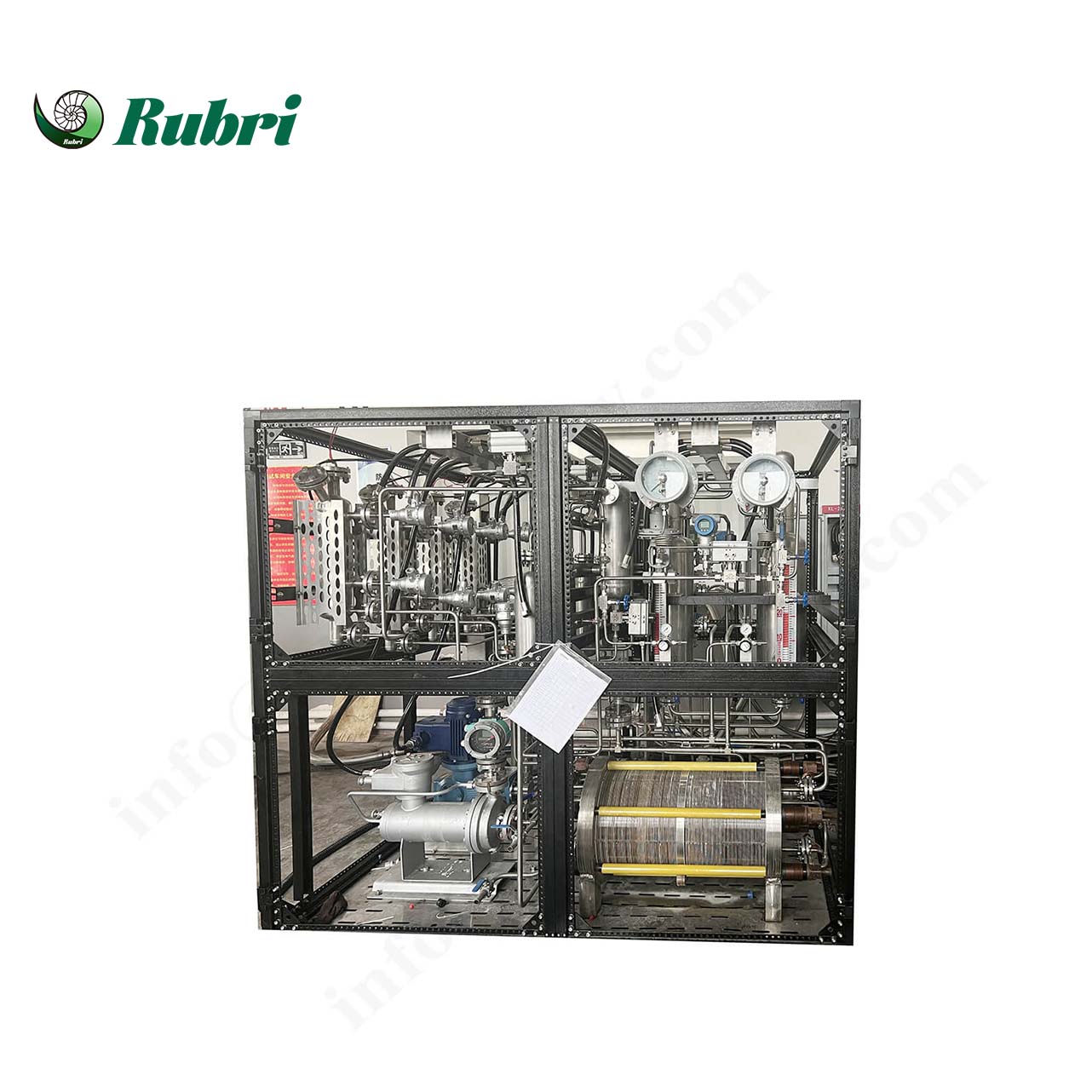
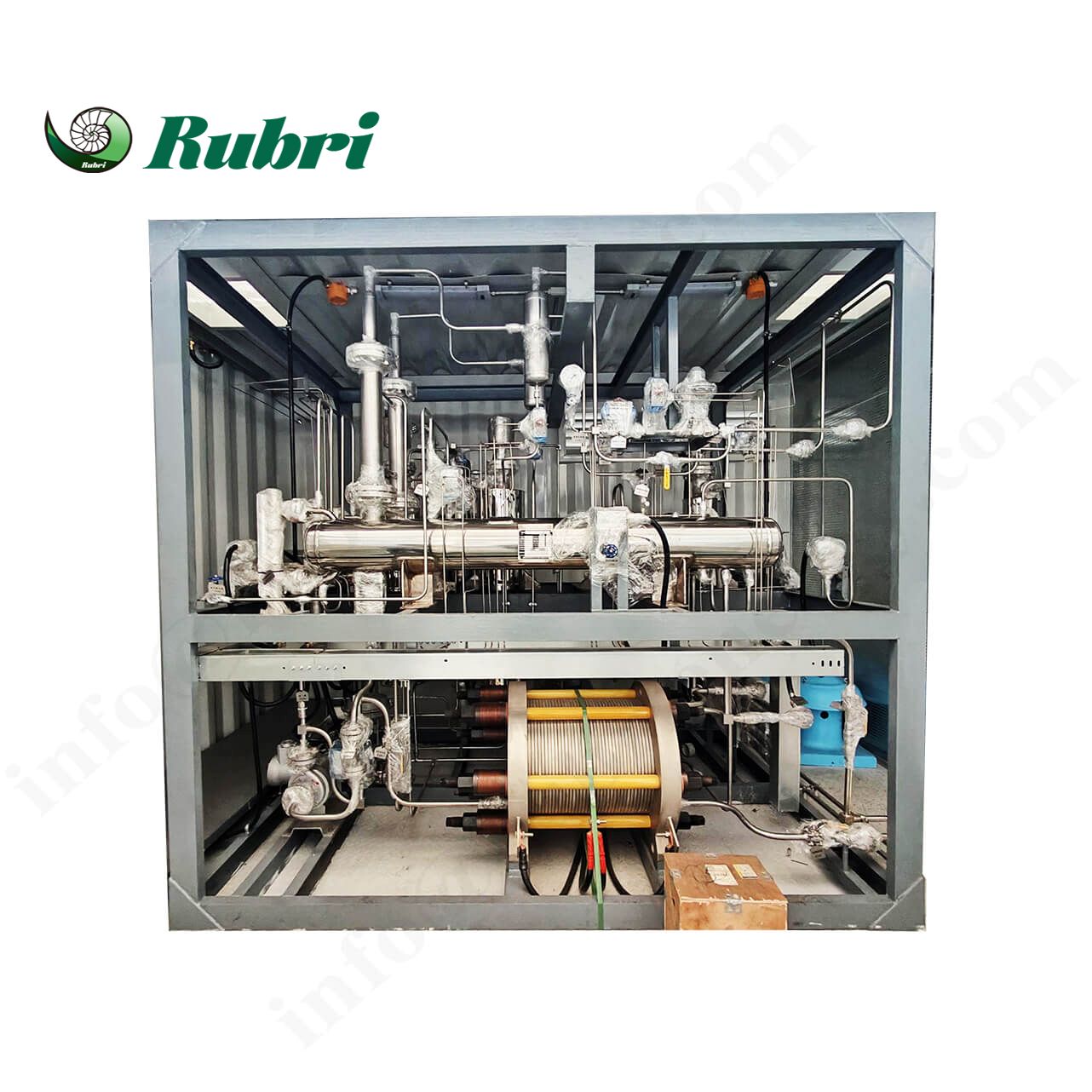
As a basic chemical industry producing chlorine (Cl2) and caustic soda (NaOH), the value of hydrogen produced as a byproduct of the chlor-alkali industry is increasingly recognized. Compared to dedicated water electrolysis for hydrogen production, chlor-alkali byproduct hydrogen is lower in cost, bu...
Against the backdrop of global energy transition, hydrogen energy is experiencing unprecedented development opportunities. From policy to capital markets, "green hydrogen" has become a frequently used buzzword. In the hydrogen production technology race, besides the well-known alkaline water electro...
I. Overview of Alkaline Water Electrolysis for Hydrogen Production Systems
Alkaline water electrolysis (ALK) refers to the technology of producing hydrogen by electrolyzing water in an alkaline electrolyte environment. The electrolyte is typically a 30% (w/w) potassium hydroxide (KOH) solution. The...
High-Temperature Solid Oxide Electrolysis Cell (SOEC)is a highly efficient, rapid, and flexible energy conversion device. By introducing different feedstocks, it can produce various products, enabling the development of multi-functional electrochemical synthesizers. It can be connected to cle...
Core equipment for electrolysis of water and hydrogen production
Hydrogen production by electrolysis of water means passing direct current into an electrolytic tank filled with electrolyte. Water molecul...
Electrodes For Alkaline Water Electrolysis Hydrogen Production Electrolyzers - Principles, Materials And Structures
1. Electrode action principle
First of all, the role of electrocatalyst in hydrogen production electrolyzer is crucial. It is the place where electrochemical reac...