English
 français
 Deutsch
 italiano
 русский
 español
 português
 العربية
 Nederlands
 한국의
한국의 Romania
 Bulgaria
 Melayu
What Are You Looking For?

The European Committee for Standardization (CEN) recently released a draft standard, FprEN 62282-3-400:2026, for stationary fuel cell power generation systems. This standard sets specifications for the entire lifecycle of small-scale stationary fuel cell power generation systems and will inject new momentum into Europe's energy transition and carbon neutrality goals. This draft is based on the international standard IEC 62282-3-400:2016, but has been adapted to suit European technological characteristics and market demands. It ensures both the professionalism and universality of the standard while making it more suitable for the application scenarios of distributed energy in Europe, laying a solid foundation for the standardized development of related industries in the region.
1. Scope of Application
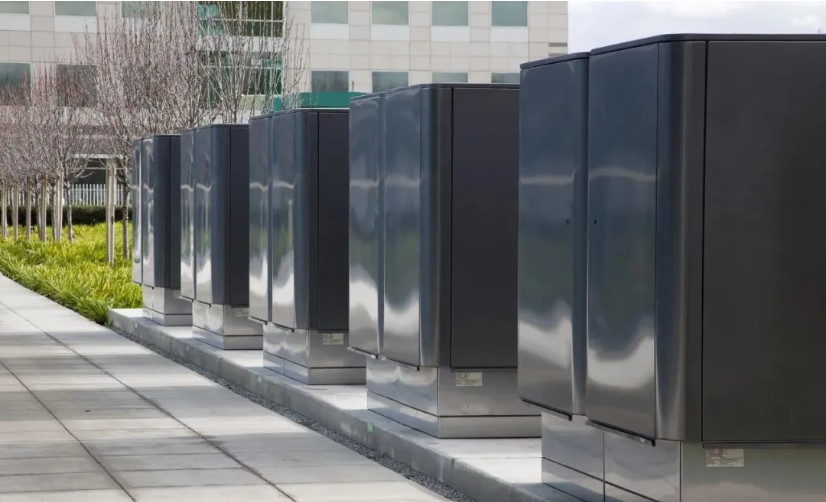
This new standard is specifically for small-scale stationary fuel cell power generation systems with combined heat and power (CHP) output, and clearly defines the power requirements: based on gas and liquid fuel cell CHP equipment with a low calorific value of less than or equal to 70kW. From an application perspective, this power range is suitable for the energy supply needs of commercial buildings, small industrial facilities, and residential users, precisely covering the core application areas of distributed energy.
This standard is both normative and guiding, with core technical requirements covering the entire process from equipment design, production, installation to operation. It includes safety requirements across multiple dimensions, such as electrical safety, fuel safety, and thermal safety, even specifying requirements for equipment insulation performance, overcurrent protection, fuel leak detection, and high-temperature component protection. The aim is to minimize safety hazards during system operation and ensure user safety.
The structural stability and operational reliability of the equipment are also a key focus. The standard provides clear specifications for the layout, material selection, and connection methods of each system component, ensuring that the equipment will not experience structural loosening or frequent failures during long-term operation. Simultaneously, it requires the equipment to adapt to different fuel qualities, ambient temperature changes, and load fluctuations, ensuring stable output in various practical application scenarios.
With energy efficiency becoming increasingly important, the new standard also incorporates the concept of green development, setting clear requirements for the rational energy use of the system. This includes key indicators such as combined heat and power (CHP) efficiency and energy conversion efficiency, encouraging companies to fully utilize waste heat resources during design and production to achieve cascaded energy utilization and maximize the value of every unit of energy. This aligns perfectly with Europe's overall goal of carbon neutrality.
Furthermore, the standard provides detailed regulations on equipment labeling and performance measurement. Regarding labeling, it requires that equipment clearly indicate its model, rated power, fuel type, and safety warnings to facilitate correct identification, use, and maintenance by users. Regarding performance measurement, it clarifies the testing methods and evaluation standards for indicators such as power generation, heat output, efficiency, and pollutant emissions, ensuring that the performance of equipment produced by different companies is measurable and comparable, avoiding a situation of inconsistent quality in the market.
In summary, the publication of the draft standard FprEN62282-3-400:2026 will have a positive impact on the European stationary fuel cell power generation industry. On the one hand, unified technical standards can regulate market order, improve overall product quality, and enhance consumer trust in fuel cell equipment; on the other hand, it can also encourage companies to increase technological innovation, promote industrial upgrading, and allow fuel cell technology to be more widely applied in Europe. It is believed that under the guidance of this new standard, the European stationary fuel cell industry will usher in healthier and faster development, providing valuable European experience for the global energy transition.
FAQ:
1. Who are we?
We are based in Anhui, China, start from 2011,sell to Southeast Asia,North America,Eastern Europe,South Asia.
2.Can you customize the rated power or voltage?
Yes, customizing products is acceptable.
3. Why should you buy from us not from other suppliers?
We have an experienced professional technical research and development team. Control system matching ability/R&D and quality control ability. Price advantage brought by supply chain integration capabilities.



 IPv6 network supported