English
 français
 Deutsch
 italiano
 русский
 español
 português
 العربية
 Nederlands
 한국의
한국의 Romania
 Bulgaria
 Melayu
What Are You Looking For?

Global Hydrogen Energy Industry Enters Critical Period for Large-Scale Application
The "2026 Global Hydrogen Review" report recently released by the International Energy Agency (IEA) shows that the Middle East, as one of the world's major producers of hydrogen-based products, has seen the U.S.-Israel-Iran conflict severely disrupt global production and trade of hydrogen-based products this year, prompting countries to refocus on the importance of hydrogen and hydrogen-based fuels for strengthening long-term energy security. Currently, hydrogen energy has become an important variable reshaping the global energy competition landscape, and the hydrogen energy industry is entering a critical period of large-scale application and industrialization. Gunter Beger, Executive Director of the Directorate for SDG Innovation and Economic Transformation at the United Nations Industrial Development Organization (UNIDO), emphasized that hydrogen energy has become a major pillar for achieving net-zero emissions and decarbonizing heavy industries, calling on the international community to collaborate and promote the development of the hydrogen energy industry.
In recent years, total global hydrogen production has continued its growth momentum. The report shows that global hydrogen production in 2025 was approximately 100 million tonnes, of which 99% was conventional hydrogen. Although traditional fossil fuel-based hydrogen production still dominates absolutely, low-emission hydrogen (including zero-carbon green hydrogen and blue hydrogen with carbon capture) production increased by about 20% year-on-year, approaching 1 million tonnes.
Green hydrogen is produced by electrolyzing water using renewable electricity, while blue hydrogen is produced from natural gas with carbon capture and storage technology — both aimed at replacing conventional hydrogen (i.e., grey hydrogen). International public funding support for low-emission hydrogen industries in emerging economies has continued to increase, rising from near-zero investment in 2022 to a cumulative USD 3.3 billion by the first quarter of 2026, primarily directed at technical assistance, policy frameworks, and infrastructure. The IEA stated that thanks to supportive national policies and exploration of international supply chains, low-emission hydrogen production is expected to reach another record high in 2026.
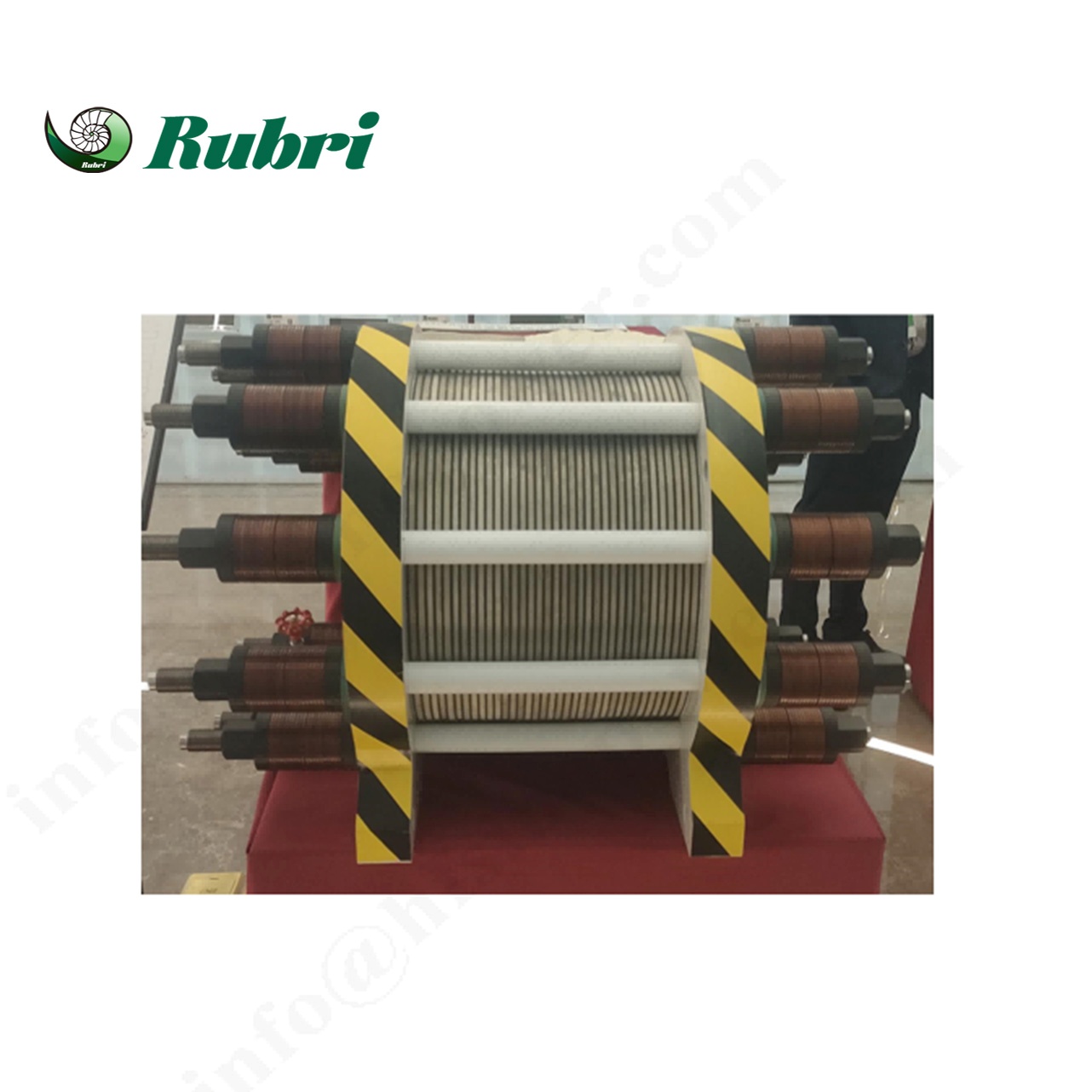
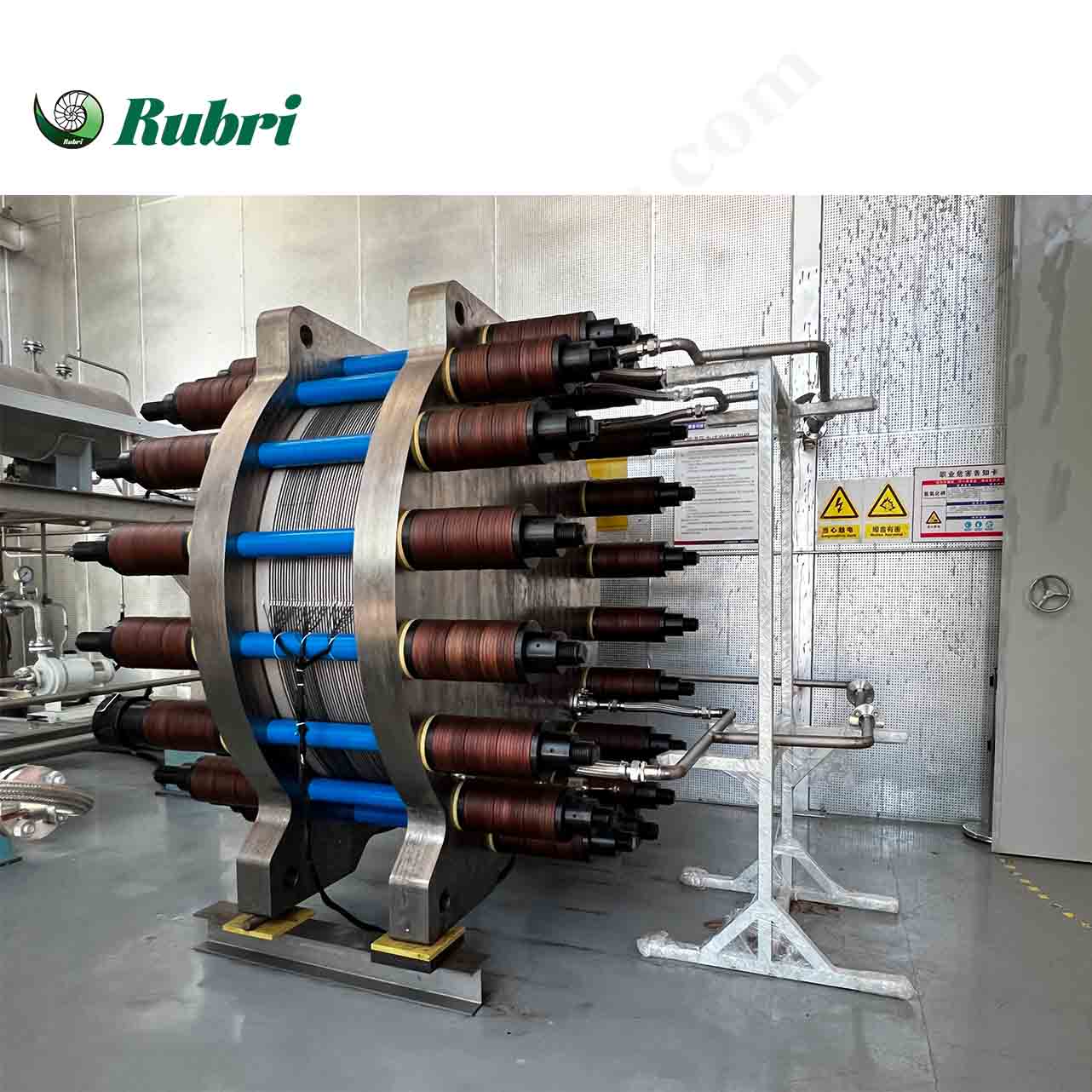
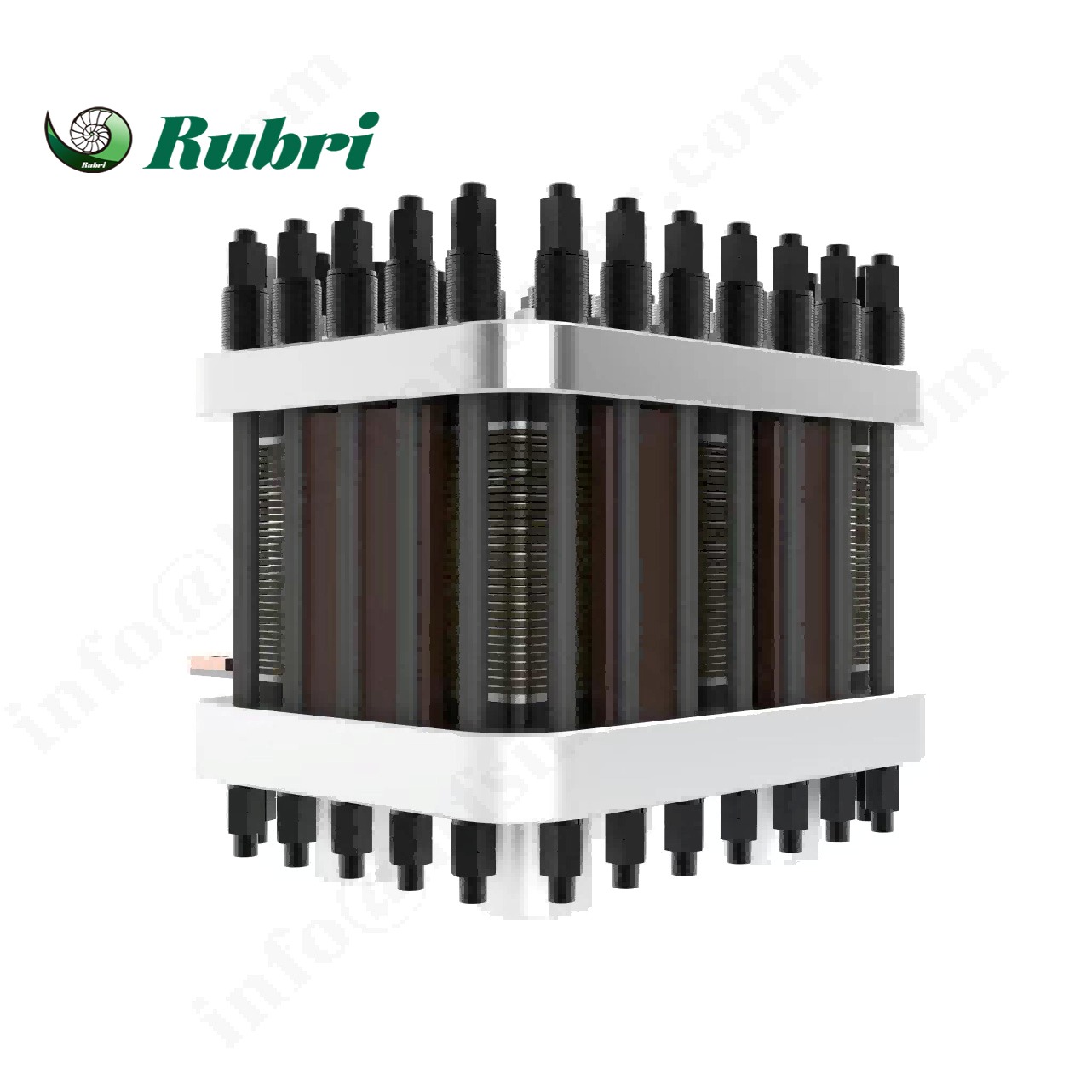
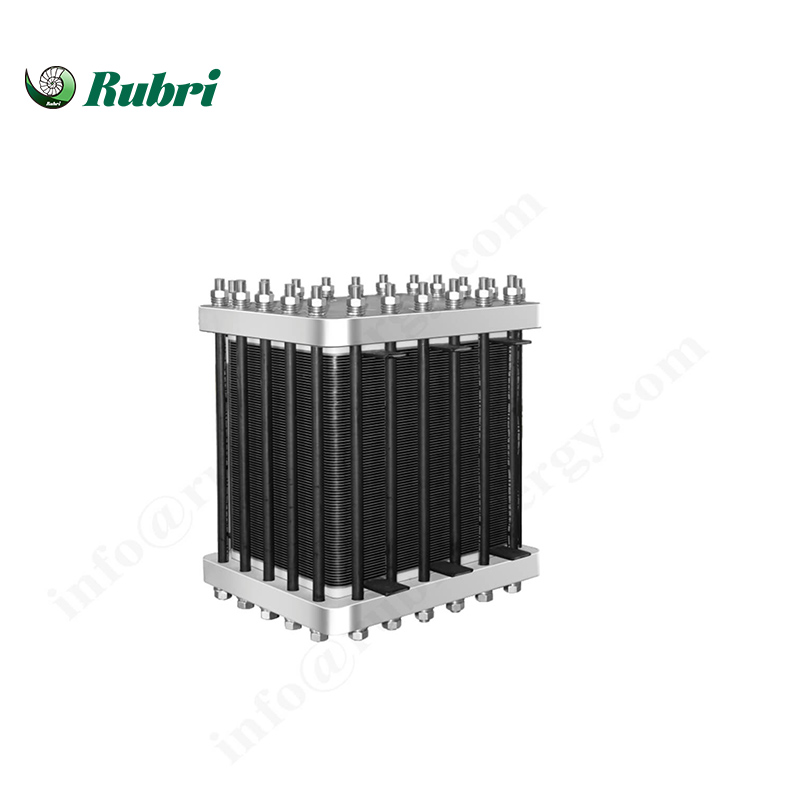
Electrolyzer equipment, as the core equipment for hydrogen production, achieved a doubling of global installed capacity in 2025, exceeding 4 GW. China accounted for nearly three-quarters of the new installed capacity. The report suggests that lower technology costs and experience from large-scale projects have driven the rapid growth of the Chinese market.
In terms of technological innovation, multiple hydrogen energy technologies worldwide are accelerating their commercial deployment, with a series of benchmark projects continuing to lead technological iteration and large-scale application: in 2021, Europe's first large-scale 10 MW proton exchange membrane (PEM) electrolysis commercial hydrogen production project was put into operation in Germany; in October 2023, the 3.3 MW wind-powered off-grid green hydrogen production plant on Jeju Island, South Korea, began formal commercial operation; in June this year, Portland Port in Dorset, UK, completed an on-site offshore direct seawater electrolysis hydrogen production test, becoming Europe's first port-based direct seawater electrolysis hydrogen production demonstration project.
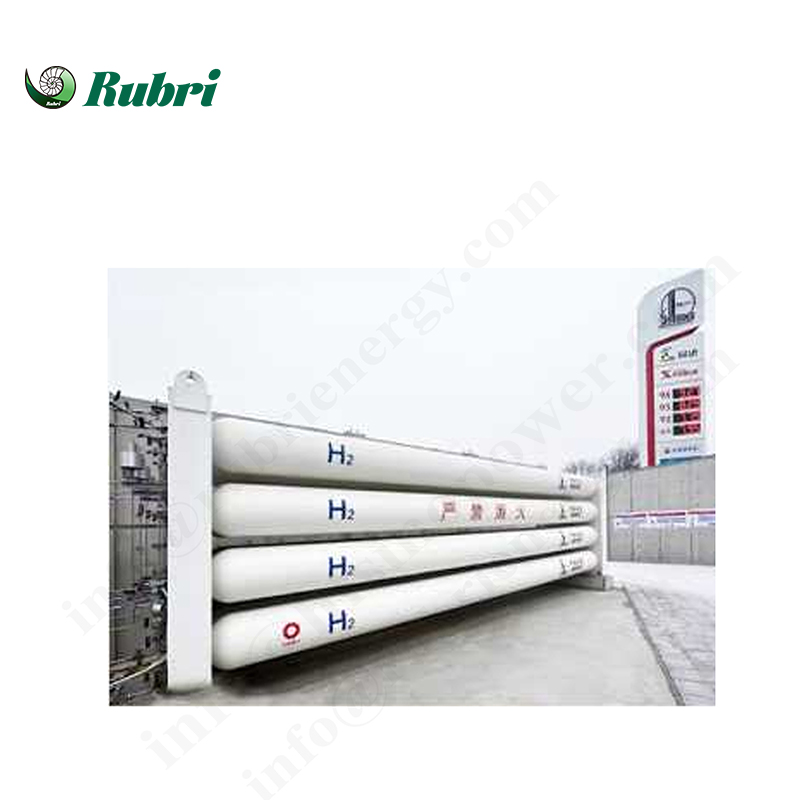
At the same time, global hydrogen energy infrastructure and supply chain systems continue to improve, with accelerated construction of hydrogen pipeline networks, storage facilities, and port terminal systems. In February this year, the 32-kilometer hydrogen pipeline network at the Port of Rotterdam in the Netherlands completed its first hydrogen filling, aiming to build a European hydrogen hub; Germany launched a natural gas pipeline conversion project for hydrogen transport; Japan also commenced construction of its first commercial liquid hydrogen import terminal... These developments signal that global hydrogen logistics are moving from scattered pilots to systematic, networked deployment. Meanwhile, international institutional frameworks covering green hydrogen certification, carbon emission accounting, and product standards are also making continuous progress.
"The next five years will be a critical window period for breakthroughs in hydrogen energy, energy storage, and smart technologies," said Ouyang Minggao, Chairman of the International Hydrogen Fuel Cell Association. He projected that from 2025 to 2030, the construction of the full hydrogen energy industry chain covering "production, storage, transport, and utilization" will drive multi-sector applications of hydrogen energy; from 2030 to 2050, renewable energy generation will become the main source of electricity, and the green hydrogen industry will usher in significant development.
In recent years, many countries have introduced policies supporting hydrogen energy development, intensifying technology R&D and market cultivation efforts, and extending the hydrogen energy industry chain. By the end of 2025, 66 countries and regions had released hydrogen energy strategies.
China's hydrogen energy industry scale ranks first globally, with core equipment manufacturing capabilities such as electrolyzers ranking among the world's top. By the end of 2025, China had planned 860 wind-solar hydrogen production projects, with a hydrogen production capacity of approximately 10 million tonnes per year. China's 15th Five-Year Plan outline includes green hydrogen energy in the new industries and new tracks for focused cultivation and layout, planning to launch a batch of green hydrogen-ammonia-methanol production base projects.
In December 2025, the EU launched a EUR 5.2 billion Innovation Fund financing program, with a hydrogen auction budget of EUR 1.3 billion. In February this year, Germany passed the 'Hydrogen Acceleration Act,' designating hydrogen energy full industry chain expansion projects as priority projects that serve the public interest above ordinary considerations, in order to streamline approval procedures. Italy introduced a EUR 6 billion renewable hydrogen support plan, aiming to produce 200,000 tonnes of renewable hydrogen annually.
Africa possesses abundant renewable resources and favorable conditions for developing low-cost green hydrogen. The African Union adopted the African Green Hydrogen Strategy in early 2025, calling on member states to take immediate action to translate the strategy into concrete projects. South Africa launched its 'Hydrogen Society Roadmap,' focusing on using green hydrogen to drive decarbonization of high-emission industries such as mining and manufacturing. Nigeria has incorporated hydrogen energy into its national energy transition plan. Namibia already has two green hydrogen projects in operation with a total installed capacity of 17 MW, and its goal is to increase the green hydrogen industry's contribution to national GDP to USD 4.1 billion by 2030. Egypt is actively attracting investment in the hydrogen energy industry, with planned investment of approximately USD 88.5 billion, accounting for about half of Africa's total planned investment.
In terms of international cooperation, industry chain collaboration, mutual recognition of standards, and international market development have been further strengthened. In April 2025, Oman signed a joint development agreement with the Netherlands and Germany to jointly develop the world's first liquid hydrogen corridor project, establishing a cross-continental liquid hydrogen supply chain for commercial use. Among the first batch of China-EU energy cooperation exemplary cases, six hydrogen energy projects were selected, covering areas including hydrogen source assurance, carbon footprint assessment, anion exchange membrane electrolyzer joint R&D, and sustainable aviation fuel hydrogenation. In 2025, China National Chemical Engineering No. 7 Construction Co., Ltd. signed an EPC contract with Namibia's Hyphen Hydrogen Energy for an annual 2.4-million-tonne green ammonia plant, building a transnational industry chain model of 'Chinese technology + African resources + European market.'
IEA Executive Director Fatih Birol stated that as countries seek more resilient and diversified energy systems, low-carbon hydrogen can play an important role in the long term, and industrial development urgently requires stronger policy empowerment and faster deployment.
Against the backdrop of geopolitical conflicts reshaping the energy security landscape, the strategic value of hydrogen energy is being reassessed. The IEA report notes that the Middle East accounts for approximately one-sixth of global hydrogen production, over one-quarter of ammonia trade, nearly 40% of urea trade, and nearly 45% of methanol trade, with regional conflicts severely disrupting related supply chains. An increasing number of countries are combining hydrogen energy development with safeguarding energy security and enhancing supply chain resilience, accelerating domestic production capacity building and promoting the layout of diversified international supply systems.
Currently, the global hydrogen energy industry is at a critical turning point from policy cultivation to industrialization and commercial deployment. Issues such as high costs, insufficient infrastructure, and lengthy approval procedures remain important factors affecting project investment and commercialization. The IEA believes that currently only China is expected to be the first to achieve cost parity between renewable hydrogen and traditional fossil fuel-based hydrogen, while low-emission hydrogen costs in most countries and regions remain higher than traditional production methods. Emerging economies particularly face practical challenges such as insufficient financing capacity and weak supporting facilities. However, in the long term, the development prospects for the hydrogen energy industry are broad. The IEA projects that if planned projects are implemented smoothly, global low-emission hydrogen production will achieve rapid growth by 2030, further consolidating the foundation for large-scale industrial development.
The IEA recommends that governments review their 2030 targets and formulate long-term visions, accelerate policy implementation, promote expanded application in key sectors such as industry, transportation, and chemicals, and form stable market expectations. At the same time, they should continuously optimize production support policies, improve infrastructure and standards certification systems, innovate financing mechanisms, and reduce project development costs and investment risks. The international community should further strengthen cooperation, promote coordinated development of technology, standards, trade, and investment, support emerging economies in enhancing their capacity to participate in the industry chain, and jointly build an open, diversified, and stable global hydrogen energy supply system, providing stronger support for global energy transition and sustainable development.



 IPv6 network supported